How to Stop Anxiety From Causing ED

Anxiety can affect what happens before and during sex. A person may anticipate an erection problem, monitor every physical response, interpret small changes as failure, or become so focused on avoiding embarrassment that there is little attention left for arousal and pleasure.
The relationship between anxiety and erectile dysfunction is real, but it is not simple. A systematic review of erectile dysfunction in men with anxiety disorders examined 12 studies involving conditions such as social anxiety disorder, panic disorder, obsessive-compulsive disorder, and post-traumatic stress disorder. The review found a relatively high prevalence of ED in these populations, but the authors also noted substantial differences among the included studies.
Anxiety may contribute to erection difficulties without being the only cause. Vascular health, hormones, neurological conditions, medication effects, alcohol use, relationship factors, and other health concerns may also be involved. The practical goal is therefore not to prove that every symptom is psychological. It is to reduce anxiety’s influence while obtaining medical evaluation when erection difficulties recur.
Key Takeaways
- Anxiety may contribute to ED through anticipatory worry, self-monitoring, avoidance, and difficulty remaining engaged with sexual stimulation
- Trying to control or repeatedly test an erection can strengthen the sense that sex is a pass-or-fail performance
- Accepting the presence of some anxiety may be more practical than demanding complete calm before intimacy
- Partner communication can reduce uncertainty, but repeated reassurance should not become another way of checking whether everything is going well
- Persistent, sudden, painful, or unexplained erection difficulties require medical evaluation

First, Identify the Pattern Without Self-Diagnosing
Anxiety-related erection difficulties often vary according to context. A person may notice symptoms primarily:
- With a new partner
- After one previous erection difficulty
- When penetration feels expected
- When there is limited time or privacy
- During periods of work, financial, or relationship stress
- When worrying about satisfying a partner
- After repeatedly checking erection firmness
- When trying to hide nervousness
These patterns may suggest that psychological factors deserve attention. They do not prove that the problem is entirely psychological.
A recent review of clinical management for erectile dysfunction emphasizes that medical history and validated symptom questionnaires remain central to ED assessment. No single clue, including the presence of morning erections or normal erections during masturbation, can establish the cause on its own.
Ask What Happens Before the Erection Changes
Rather than focusing only on whether the erection appeared, consider the sequence leading up to the difficulty:
- What was happening immediately beforehand?
- Which thought or prediction appeared?
- Did attention shift toward checking the erection?
- Did you rush, withdraw, apologize, or try to force arousal?
- What conclusion did you reach afterward?
For example:
“The erection became slightly less firm, I assumed I was about to lose it, and I rushed toward penetration.”
That sequence contains both a physical change and an anxious interpretation. Recognizing the difference creates more opportunities to respond differently.
Reduce Anticipatory Anxiety Before Sex
Anxiety often begins before physical intimacy. A person may spend hours wondering whether the body will cooperate, replaying previous experiences, or mentally preparing explanations in case something goes wrong.
Trying to guarantee a successful outcome usually increases the feeling that an important test is approaching.
Replace Prediction With a Practical Plan
Instead of trying to convince yourself that everything will go perfectly, decide how you will respond if nervousness or an erection change appears.
A practical plan might be:
- Slow the pace
- Continue with consensual touch
- Tell your partner that you are becoming distracted
- Avoid testing the erection through immediate penetration
- Shift to another enjoyable activity
- Pause or stop if either person wants to
This approach does not require certainty. It reduces the sense that one physical change will leave you with no options.
Avoid Checking Before Intimacy Begins
Some people repeatedly test whether they can get an erection before seeing a partner. A successful test may provide brief relief, while an inconsistent response may increase anxiety.
The test also creates a misleading standard. Sexual response during solitary checking does not predict exactly what will happen during partnered intimacy.
Try to avoid:
- Repeatedly checking for an erection
- Using pornography solely to confirm that erectile function remains intact
- Mentally rehearsing failure scenarios
- Comparing every response with a previous encounter
- Treating spontaneous erections as proof that the next experience must go well
Gathering medical information is useful. Repeatedly testing the body for reassurance may keep the concern active.
Stop Waiting to Feel Completely Calm
A common belief is that anxiety must disappear before sex can go well. That creates another condition to monitor:
“Am I relaxed enough yet?”
A more realistic approach is to allow some nervousness to be present without treating it as a command to stop, rush, or check.
Notice the Thought Without Following It
When a thought appears, such as “What if I cannot stay hard?”, try responding:
“That is an anxious prediction, not a confirmed outcome.”
Then return attention to:
- A physical sensation
- Your partner’s response
- Your own breathing
- What kind of touch feels good
- Whether both people remain comfortable
The goal is not to argue with the thought until it disappears. It is to prevent the thought from controlling the entire encounter.
Change the Behaviors That Keep Anxiety Active
Anxiety is maintained not only by thoughts but also by what a person does in response.
Rushing
Trying to penetrate as soon as an erection appears may turn penetration into a test. If the erection changes during the attempt, the experience can appear to confirm the original fear.
Allow arousal to develop without treating every pause as lost time.
Withdrawing
Pulling away immediately may protect against embarrassment in the moment, but repeated avoidance can teach the mind that intimacy is dangerous.
Staying connected might mean continuing to kiss, touch, talk, or enjoy another activity. It does not mean either partner must continue sex when they do not want to.
Over-Apologizing
Repeated apologies can make the erection difficulty the center of the encounter and create pressure for the partner to provide constant reassurance.
A clearer response may be:
“I am getting distracted and need to slow down, but I still want to be close.”
Reassurance Seeking
Questions such as these may briefly reduce anxiety:
- “Are you disappointed?”
- “Do you still find me attractive?”
- “Was that bad?”
- “Are you sure you are okay?”
Occasional communication is healthy. Repeatedly asking the same questions may keep the fear active because relief depends on receiving another reassuring answer.
Create a Partner Plan Before the Next Encounter
A partner cannot control erectile function, but both people can agree on a response that does not add panic, blame, or humiliation.
Explain the Situation Clearly
Choose a calm time outside the bedroom and consider saying:
- “Anxiety sometimes makes me monitor my body instead of enjoying what is happening”
- “An erection change does not mean I am not attracted to you”
- “Repeatedly asking whether I am hard can make me more distracted”
- “It helps when we stay connected without rushing toward penetration”
- “Can we agree on what to do if I become anxious?”
Agree on a Response
A shared plan might include:
- Continuing touch if both partners want to
- Asking what feels comfortable rather than asking whether something is wrong
- Avoiding repeated comments about erection firmness
- Moving to another activity without treating it as a lesser substitute
- Pausing when needed
- Discussing the experience later rather than analyzing it in the moment
The purpose is not for the partner to become responsible for preventing anxiety. It is to reduce uncertainty about how both people will respond.
Use Structured, Lower-Pressure Intimacy
When every encounter is treated as a test of erectile function, temporarily changing the structure may be useful.
Partners might agree that an encounter will have:
- No requirement for penetration
- No requirement for orgasm
- No repeated erection checks
- No fixed progression from one activity to another
- Permission to pause, redirect, or stop
This is not a trick intended to make an erection appear. The exercise is useful only when both partners genuinely accept that no specific outcome is required.
Gradual Reintroduction
If penetration has become strongly associated with anxiety, it may help to reintroduce it gradually rather than making it the immediate goal.
A progression might involve:
- Non-genital affectionate touch
- Broader sensual touch
- Genital touch without penetration as a requirement
- Penetration only when both partners want it and it feels physically comfortable
A therapist trained in sexual health can help tailor this process, particularly when anxiety is severe, avoidance has become established, or trauma is involved.
Address Anxiety Outside Sexual Situations
When anxiety also affects work, sleep, relationships, social situations, or daily functioning, focusing only on erections may miss the broader issue.
An anxiety disorder may require its own assessment and treatment. Possible signs include:
- Persistent worry that is difficult to control
- Panic attacks
- Avoidance of social or intimate situations
- Intrusive thoughts or compulsive behaviors
- Trauma-related symptoms
- Sleep disruption
- Significant distress or impairment
Treatment may include psychotherapy, medication for an anxiety disorder, or both. Some psychiatric medications can also affect sexual function, so benefits, side effects, and alternatives should be discussed with the prescribing clinician.
Do not stop an antidepressant, anxiety medication, or other prescription without professional guidance.
How Psychological Treatment May Help
Psychological treatment for anxiety-related ED may focus on:
- Catastrophic predictions
- Erection checking
- Avoidance
- Shame and self-criticism
- Communication with a partner
- Rigid beliefs about masculinity or sexual success
- Broader anxiety or depression
- Gradual return to lower-pressure intimacy
A randomized controlled trial of guided internet-delivered cognitive behavioral therapy for ED found that the treatment condition performed better than a waiting-list control. The study supports CBT as a potentially useful option, although one trial does not establish that internet-based treatment will work for every type or cause of ED.
Appropriate support may include:
- Cognitive behavioral therapy
- Acceptance and Commitment Therapy
- Sex therapy
- Couples counseling
- Treatment for a diagnosed anxiety disorder
- Trauma-informed therapy when relevant
When Medical Evaluation Is Important
Do not assume that anxiety explains every erection problem. Anxiety-related and physical contributors can occur together.
Seek medical evaluation when erection difficulties:
- Happen during most sexual encounters
- Continue for several weeks or months
- Represent a sudden or significant change
- Occur during masturbation as well as partnered sex
- Begin after starting or changing a medication
- Are accompanied by pain, curvature, reduced sensation, or reduced desire
- Occur alongside urinary, hormonal, neurological, or cardiovascular symptoms
- Cause significant distress or relationship difficulty
A clinician may review medical history, blood pressure, medications, substance use, mental health, and sexual symptoms. Laboratory testing or further evaluation may be appropriate depending on the individual.

BlueChew Treatment Options
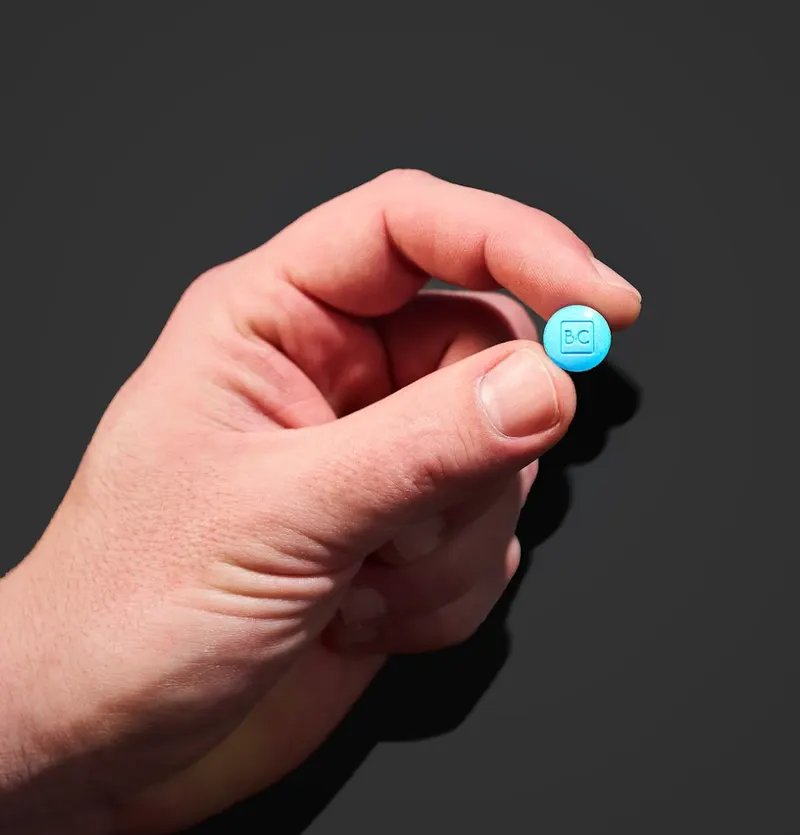
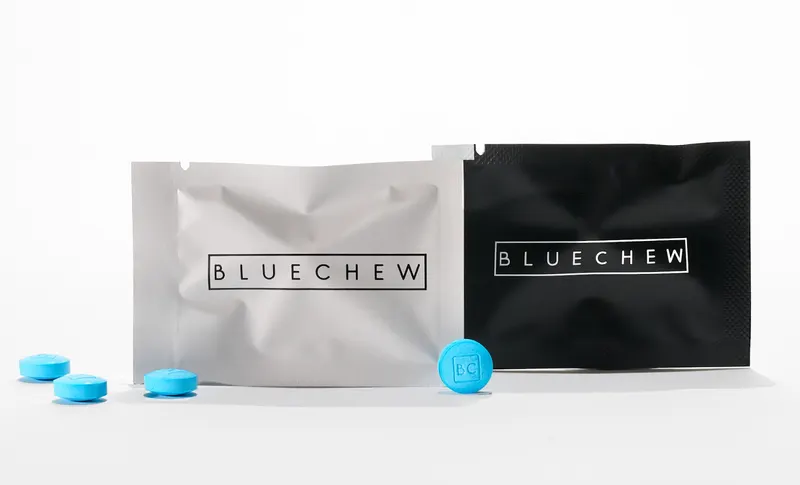
BlueChew is a telemedicine service that connects patients with licensed medical providers. A provider reviews the patient’s submitted health information and may prescribe a compounded erectile dysfunction medication if medically appropriate.
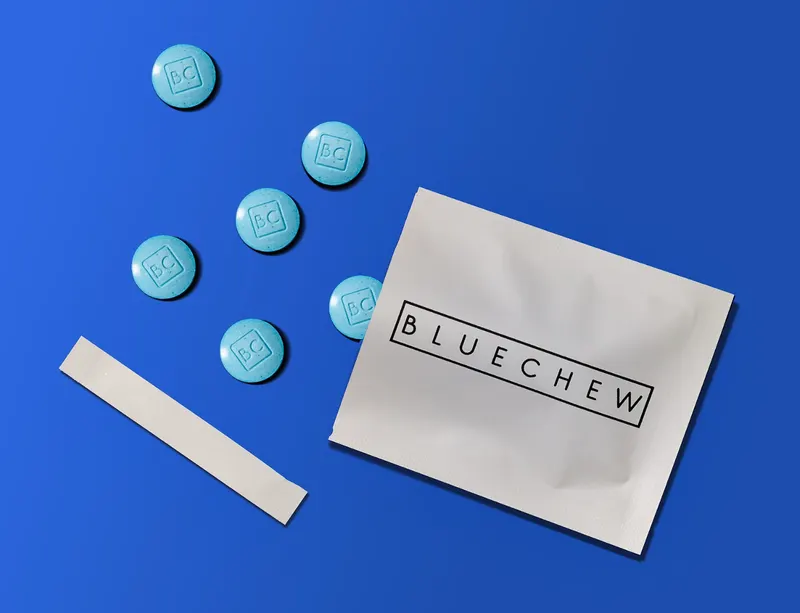
DailyTAD comes in a chewable tablet. SIL, TAD, VAR, MAX, VMAX, and GOLD are available as a sublingual tablet.
BlueChew’s complete product lineup includes:
- SIL: 45 mg sildenafil, from $3.53/tablet, works in 15 minutes, lasting up to 6 hours
- TAD: 9 mg tadalafil, from $4.47/tablet, effective within 15 minutes, lasting up to 36 hours
- VAR: 8 mg vardenafil, from $4.34/tablet, takes effect in 15 minutes, lasting up to 6 hours
- DailyTAD: 9 mg tadalafil plus 7 essential vitamins, $2.23/tablet, lasting up to 36 hours
- MAX: 45 mg sildenafil + 18 mg tadalafil combo, $5.63/tablet, lasting up to 36 hours
- VMAX: 14 mg vardenafil + 18 mg tadalafil combo, $5.63/tablet, lasting up to 36 hours
- GOLD: sildenafil, tadalafil, oxytocin, and apomorphine sublingual tablet, from $7.30/tablet, lasting up to 36 hours
The appropriate product should be determined through licensed provider review. GOLD or another specific formulation should not be presented as the preferred treatment simply because anxiety may be contributing to ED.
Patients should review BlueChew’s important safety information and provide a complete list of health conditions, prescriptions, over-the-counter medications, and supplements. BlueChew products should not be taken with nitrates or guanylate cyclase stimulators because the combination may cause an unsafe drop in blood pressure.
How To Get Medication Through BlueChew
Interested in getting your hands on a prescription for BlueChew GOLD? BlueChew has got you covered.
Select a plan, complete an online intake, and you’re done. A medical provider will review your information and, if appropriate, prescribe your plan, which will be shipped directly to your door.
No doctor appointments or patient support charges make it a stress-free experience.
Plus, there’s no commitment. You can easily cancel or switch plans anytime. Click here to explore all treatment plan options at BlueChew.

Frequently Asked Questions
Can anxiety cause ED in someone who is physically healthy?
Anxiety may contribute to erection difficulties even when a person has no diagnosed physical condition. However, appearing healthy does not rule out vascular, hormonal, neurological, medication-related, or mixed contributors. Recurring symptoms should be evaluated rather than automatically classified as psychological.
Is trying to relax enough to prevent anxiety-related ED?
Not always. Telling yourself to relax can create more pressure when relaxation becomes another requirement. A practical approach may involve allowing some anxiety to remain while reducing checking, rushing, avoidance, and catastrophic interpretation.
Should someone avoid sex until the anxiety improves?
Complete avoidance may provide temporary relief, but it can also strengthen the belief that intimacy is unsafe or unmanageable. A lower-pressure, mutually agreed approach may be more helpful. No one should continue sexual activity they do not want, and severe anxiety may warrant professional guidance.
Can treating an anxiety disorder improve erectile function?
Treating a diagnosed anxiety disorder may reduce one contributor to sexual difficulties. Improvement in erectile function is not guaranteed because other psychological or physical factors may remain. Medication used for anxiety can also have sexual side effects, so treatment decisions should include a discussion of sexual health.
How long does anxiety-related ED take to improve?
There is no standard timeline. Improvement depends on the severity and duration of the anxiety, whether physical contributors are present, relationship circumstances, and the treatment used. Claims that symptoms should resolve within a specific number of weeks are not appropriate for everyone.
This article is provided for informational purposes only and does not constitute medical advice. The information presented is not a substitute for professional medical advice, diagnosis, or treatment. Always consult your healthcare provider to discuss the risks, benefits, and appropriateness of any treatment.
BlueChew offers access to healthcare providers who may prescribe compounded medications for the treatment of erectile dysfunction.
The featured products include compounded medications that have not been approved by the FDA. Compounded medications may be prescribed under federal law but are not the same as, nor are they generic versions of, any FDA-approved medication. The FDA does not review compounded medications for safety, effectiveness, or manufacturing quality of compounded products. A prescription will only be written if deemed appropriate after the digital consultation by the licensed medical provider. Individual results may vary.
BlueChew is not a compounding pharmacy but a telemedicine service that links patients to licensed medical providers.
Other Helpful Articles