
Penile Implants for ED: What to Know Before Surgery
A penile implant, also called a penile prosthesis, is a surgically placed device that creates the rigidity needed for penetrative sex. It is generally considered when erectile dysfunction has not improved adequately with less invasive treatment, when other options are medically unsuitable, or when someone prefers a definitive surgical approach after discussing the tradeoffs with a urologist.
Current recommendations on the management of erectile dysfunction emphasize personalized treatment. PDE5 inhibitors remain the first pharmacological option for many patients, while injections, vacuum erection devices, and penile prostheses may be considered according to treatment response, medical history, preferences, and expectations.
Implant surgery can provide reliable erections without requiring medication before each sexual encounter. It also involves an operation, a recovery period, and the possibility of infection, mechanical problems, or future revision. A careful consultation should therefore address both the potential benefits and the long-term implications of the procedure.
Key Takeaways
- Penile implants are definitive surgical treatments that create mechanical rigidity for sexual activity
- Implantation may be considered when medication, injections, or vacuum devices provide an inadequate response, are unsuitable, or do not match the patient’s preferences
- Implants create rigidity but do not directly treat low desire, relationship concerns, or other sexual symptoms
- Device choice should reflect anatomy, manual dexterity, medical history, previous surgery, and personal preferences
- Recovery and device activation vary, so sexual activity should resume only after the surgeon confirms adequate healing

What Is a Penile Implant?
A penile implant is a medical device placed inside the erectile chambers of the penis. Its purpose is to provide sufficient rigidity for sexual activity when an erection cannot be achieved or maintained through other suitable methods.
The device is entirely internal. Nothing needs to be attached to the penis before each use.
Unlike sildenafil, tadalafil, and vardenafil, an implant does not improve the natural blood-flow response. It mechanically creates firmness when activated or positioned.
Implants are intended as long-term treatments. Because surgery changes the erectile chambers and places cylinders or rods inside them, implantation should be approached as a generally irreversible decision. Removal may require replacement, reconstruction, or additional treatment.
Where Implants Fit in ED Treatment
Erectile dysfunction treatment does not follow one mandatory sequence for every patient.
A healthcare provider may discuss:
- Lifestyle and cardiovascular risk management
- Review of medications that may contribute to ED
- PDE5 inhibitors
- Vacuum erection devices
- Intracavernosal injections
- Intraurethral medication
- Psychological or relationship-focused care when appropriate
- Penile implant surgery
A penile implant may enter the discussion when:
- Oral medication produces an inadequate response
- Medication causes unacceptable adverse effects
- PDE5 inhibitors are medically unsuitable
- Injections or vacuum devices are ineffective or difficult to use
- ED follows pelvic surgery, neurological injury, or another condition that limits natural erectile function
- ED occurs alongside significant Peyronie’s disease
- The patient understands the surgical implications and prefers a definitive option
Calling an implant a “last resort” can oversimplify this decision. It is usually considered after less invasive treatments, but some patients may prefer surgery after reviewing the available options, expected outcomes, and risks.

How Penile Implants Work
A review of malleable and inflatable implants describes three primary device configurations:
- Three-piece inflatable implants
- Two-piece inflatable implants
- Malleable or semirigid implants
Each device creates rigidity differently.
The appropriate choice depends on factors such as:
- Anatomy
- Previous abdominal or pelvic surgery
- Penile curvature or scarring
- Manual dexterity
- Ability to operate a pump
- Desired concealment when the device is not in use
- Comfort with the number of implanted components
- Surgeon experience
- Personal preference
What Happens During Surgery?
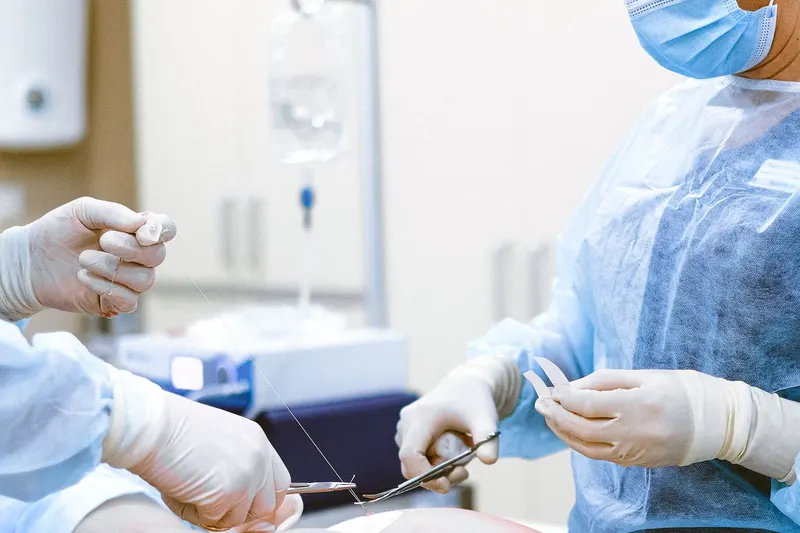
Penile implant surgery is performed by a urologic surgeon, often one who specializes in prosthetic or reconstructive urology.
During the procedure, the surgeon creates space within the erectile chambers and places the cylinders or rods. Inflatable devices also require placement of a scrotal pump and, for a three-piece system, a reservoir.
The surgical approach can vary according to:
- Implant type
- Anatomy
- Previous operations
- Penile scarring or fibrosis
- Peyronie’s disease
- Surgeon preference
- Whether another corrective procedure is being performed
The operation may be completed on an outpatient basis or may involve a short period of observation. The setting depends on the patient’s health, procedure, facility, and surgeon’s protocol.
Recovery After Implant Surgery
Recovery is not identical for every patient.
Early care may include:
- Incision and wound care
- Pain management
- Temporary activity restrictions
- Monitoring for swelling or bruising
- Instructions on supporting or positioning the penis
- Follow-up with the surgical team
- Device teaching and activation at the appropriate stage
Inflatable implants are generally left partially inflated or positioned according to the surgeon’s protocol during early healing. The surgeon later explains how to operate the pump and confirms when regular cycling should begin.
Return to work depends on the type of work, comfort, healing, and surgical instructions. Strenuous activity and sexual activity usually remain restricted until the surgeon confirms that the incision and internal tissues have healed adequately.
Fixed promises such as “full recovery in four weeks” or “sex at exactly six weeks” should be avoided. The treating surgeon should provide an individualized timeline.

Potential Benefits of Penile Implants
For an appropriate candidate, an implant may offer:
- Erections available when the device is activated or positioned
- Reduced dependence on medication before sexual activity
- Consistent mechanical rigidity
- A treatment option after an inadequate response to nonsurgical care
- Greater control over the timing of an erection
- Long-term use when the device remains functional
- Improved confidence or satisfaction for some patients and couples
A systematic review and pooled analysis of quality of life examined patient-reported outcomes after penile prosthesis implantation. These outcomes are influenced by device function, expectations, complications, partner experiences, and the reason for surgery.
An implant supports erection rigidity. It does not guarantee improvements in every aspect of sexual or relationship satisfaction.
Patient and Partner Satisfaction
A systematic review and meta-analysis of penile prosthesis couple’s satisfaction included 83 studies and 12,132 patients.
The pooled patient satisfaction rate was 83%, with an estimated range of 80% to 86%. Partner satisfaction was generally lower than patient satisfaction and varied among the included studies.
This is more accurate than stating that satisfaction always exceeds 90%.
Satisfaction may be influenced by:
- Device type
- Mechanical reliability
- Pain or complications
- Ease of use
- Expectations about penile size
- Appearance when inflated or deflated
- Partner expectations
- Previous ED severity
- Underlying medical conditions
- Quality of preoperative counseling
High satisfaction in a study does not ensure that every patient or partner will have the same experience.
Risks and Possible Complications
A systematic review of intraoperative and postoperative complications evaluated 151 studies involving 92,777 patients.
The review found substantial variation among studies. Infection and erosion were reported below 5% in most studies, while mechanical-failure rates varied more widely, especially with longer follow-up.
Possible complications include:
- Infection
- Bleeding or hematoma
- Pain
- Wound-healing problems
- Device erosion
- Injury to nearby structures
- Cylinder, pump, reservoir, or tubing problems
- Difficulty inflating or deflating the device
- Unwanted device movement
- Mechanical failure
- Need for revision or replacement
- Dissatisfaction with appearance, firmness, or perceived length
Modern coatings, surgical techniques, and infection-prevention practices have improved outcomes, but they do not eliminate risk.
An infection involving an implanted device may require removal, replacement, or a staged surgical approach. Mechanical problems can also require revision surgery.

How Long Does a Penile Implant Last?
Implants are designed for long-term use, but no device can be guaranteed to function indefinitely.
Durability varies according to:
- Device type
- Manufacturer and model
- Frequency of use
- Mechanical wear
- Surgical technique
- Infection or erosion
- Individual anatomy
- Length of follow-up
Some devices continue functioning for many years, while others require earlier revision. Broad promises that every implant will last a fixed number of years are not appropriate.
Before surgery, the urologist should explain:
- The available durability data for the specific device
- Common reasons for revision
- What happens if a component fails
- Whether individual components or the full device may need replacement
- How revision surgery differs from the first operation
Is Implant Surgery Reversible?
Penile implant surgery is generally considered irreversible.
The cylinders or rods occupy the erectile chambers, and surgery can produce scar tissue within those spaces. If the implant is removed and not replaced, natural erectile function should not be expected to return reliably.
This does not mean that an implant can never be removed. Removal may be necessary because of infection, erosion, pain, malfunction, or another complication.
However, removal is another surgical event and may require:
- Immediate replacement
- Delayed replacement after healing
- Temporary placement of another device
- Additional reconstructive planning
The long-term nature of the decision makes preoperative counseling especially important.

Alternatives to Consider Before Surgery
Penile implants are one option within a broader ED treatment plan.
Current recommendations on the management of erectile dysfunction describe several approaches that may be considered before or instead of surgery.
PDE5 Inhibitors
Common active ingredients include:
- Sildenafil
- Tadalafil
- Vardenafil
- Avanafil
These medications support the natural erectile response during sexual stimulation. Their suitability depends on health history, other medications, previous response, adverse effects, and personal preferences.
Vacuum Erection Devices
A vacuum device draws blood into the penis. A constriction ring may then help maintain the erection.
Some users appreciate the non-drug approach, while others find the equipment or ring uncomfortable.
Intracavernosal Injections
Medication is injected into the erectile tissue before sexual activity.
Injections can be considered when oral medication is ineffective or unsuitable, although correct dosing and administration require provider guidance.
Intraurethral Treatment
Medication may be placed into the urethra using a prescribed delivery system.
Availability, response, and tolerability can differ among patients.
Psychological and Relationship-Focused Care
Anxiety, depression, stress, trauma, and relationship concerns can contribute to erectile difficulties. Counseling or sex therapy may be considered when those factors are relevant.
Psychological care does not imply that ED is “only mental.” Physical and psychological contributors can occur together.
Where BlueChew Fits Into the Treatment Discussion
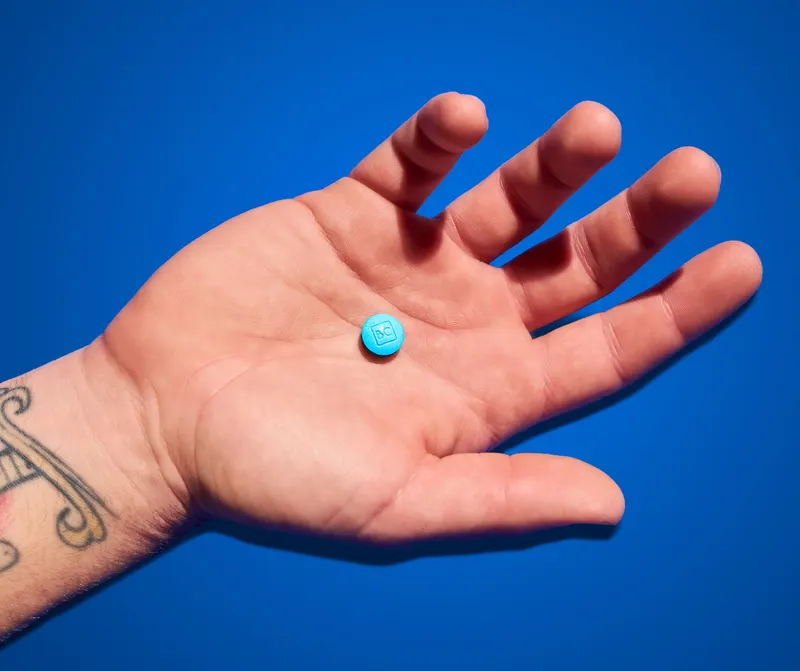
BlueChew is a telemedicine service that connects patients with licensed healthcare providers who may prescribe compounded ED medication when medically appropriate.
Its role is different from that of a penile implant. BlueChew provides access to prescription medication, while implant evaluation and surgery require in-person care from a urologist.
Someone considering medication before surgery completes a digital medical intake. A licensed provider reviews the submitted information and determines whether a prescription is appropriate.
Relevant information may include:
- Current and previous ED treatments
- Prescription medications and supplements
- Cardiovascular and blood-pressure history
- Previous pelvic or prostate surgery
- Diabetes or neurological conditions
- Penile curvature or pain
- Previous adverse reactions
- Whether injections or vacuum devices have been tried
- Whether a urologist has already discussed implant surgery
BlueChew should not be presented as a replacement for a surgical consultation. Someone considering an implant needs an in-person evaluation by an appropriately qualified urologist.

BlueChew Product Options
- SIL: 45 mg sildenafil, from $3.53/tablet, works in 15 minutes, lasting up to 6 hours
- TAD: 9 mg tadalafil, from $4.47/tablet, effective within 15 minutes, lasting up to 36 hours
- VAR: 8 mg vardenafil, from $4.34/tablet, takes effect in 15 minutes, lasting up to 6 hours
- DailyTAD: 9 mg tadalafil plus 7 essential vitamins, $2.23/tablet, lasting up to 36 hours
- MAX: 45 mg sildenafil + 18 mg tadalafil combo, $5.63/tablet, lasting up to 36 hours
- VMAX: 14 mg vardenafil + 18 mg tadalafil combo, $5.63/tablet, lasting up to 36 hours
- GOLD: sildenafil, tadalafil, oxytocin, and apomorphine sublingual tablet, from $7.30/tablet, lasting up to 36 hours
Product availability may depend on the patient’s account, medical eligibility, and provider review. The licensed healthcare provider determines whether a prescription and particular formulation are appropriate.
These medications are intended for ED treatment when prescribed appropriately. They do not reproduce the mechanical function of a penile implant.
How To Get Medication Through BlueChew
Interested in getting your hands on a prescription for BlueChew GOLD? BlueChew has got you covered.
Select a plan, complete an online intake, and you’re done. A medical provider will review your information and, if appropriate, prescribe your plan, which will be shipped directly to your door.
No doctor appointments or patient support charges make it a stress-free experience.
Plus, there’s no commitment—you can easily cancel or switch plans anytime.Click here to explore all plan options for treatments at BlueChew.

Frequently Asked Questions
When is a penile implant considered for ED?
A penile implant may be discussed when medication, injections, or vacuum devices provide an inadequate response or are not suitable. It may also be considered when someone understands the surgical implications and prefers a definitive treatment. The decision should reflect medical history, anatomy, prior treatment, expectations, and personal preferences. An in-person urologic evaluation is required before surgery.
What is the difference between inflatable and malleable implants?
Inflatable implants use fluid-filled cylinders and a scrotal pump to create rigidity when desired. Three-piece models also include a separate reservoir, while two-piece systems combine the fluid-storage components. Malleable implants use bendable rods that remain firm and are positioned manually. The appropriate design depends on anatomy, dexterity, concealment preferences, previous surgery, and the surgeon’s assessment.
Is a penile implant permanent?
Implantation is intended as a long-term and generally irreversible treatment. The device occupies the erectile chambers, and surgery can produce internal scarring. A device can be removed when medically necessary, but removal may require replacement or additional reconstruction. This permanence should be discussed carefully before surgery.
How long is recovery after penile implant surgery?
Recovery varies with the procedure, device, general health, and surgeon’s protocol. Early recovery usually involves wound care, pain management, activity restrictions, and follow-up appointments. The surgeon later provides instructions for device activation and use. Sexual activity should resume only after the surgical team confirms adequate healing.
Does a penile implant affect sensation or orgasm?
The device is designed to create penile rigidity rather than directly control sensation, desire, orgasm, or ejaculation. Those functions may remain unchanged when the relevant nerves and structures are intact. They may already be affected by the condition that caused ED, previous pelvic surgery, medication, or another health issue. Expected sexual function should be reviewed individually with the urologist before surgery.
This article is provided for informational purposes only and does not constitute medical advice. The information presented is not a substitute for professional medical advice, diagnosis, or treatment. Always consult your healthcare provider to discuss the risks, benefits, and appropriateness of any treatment.
BlueChew offers access to healthcare providers who may prescribe compounded medications for the treatment of erectile dysfunction.
The featured products include compounded medications that have not been approved by the FDA. Compounded medications may be prescribed under federal law but are not the same as, nor are they generic versions of, any FDA-approved medication. The FDA does not review compounded medications for safety, effectiveness, or manufacturing quality of compounded products. A prescription will only be written if deemed appropriate after the digital consultation by the licensed medical provider. Individual results may vary.
BlueChew is not a compounding pharmacy but a telemedicine service that links patients to licensed medical providers.