How to Spot the Signs of PSSD

Sexual side effects can occur while taking selective serotonin reuptake inhibitors, or SSRIs, and other serotonin reuptake-inhibiting antidepressants. For many people, these changes improve after the medication is adjusted or discontinued. In some reported cases, however, sexual and sensory symptoms continue after treatment has stopped.
This pattern is commonly called post-SSRI sexual dysfunction, or PSSD. A comprehensive review of PSSD describes a persistent syndrome that may include genital sensory changes, reduced sexual desire, erection or lubrication difficulties, and reduced orgasmic pleasure after discontinuation of an SSRI or another serotonin reuptake inhibitor.
Key Takeaways
- PSSD describes sexual and sensory symptoms that persist or become apparent after a serotonin reuptake-inhibiting antidepressant has been stopped
- A lasting change in genital sensation is a central feature of published proposed diagnostic criteria
- Reduced desire, erectile difficulties, reduced lubrication, delayed orgasm, and pleasureless orgasm may also occur
- No single symptom or test confirms PSSD, so other medical, medication-related, and psychological causes must be evaluated
- There is currently no established treatment proven to reverse PSSD, although individual symptoms may be managed with professional care

What Is Post-SSRI Sexual Dysfunction?
PSSD is a term used for enduring sexual dysfunction reported after treatment with a serotonin reuptake inhibitor has ended.
The term most commonly refers to symptoms following SSRIs, but published discussions and regulatory reviews have also considered serotonin-norepinephrine reuptake inhibitors, or SNRIs, and other medications with serotonin reuptake-inhibiting properties.
The European Medicines Agency’s Pharmacovigilance Risk Assessment Committee recommended updating SSRI and SNRI product information to state that, in some cases, symptoms of sexual dysfunction had continued after treatment stopped. The underlying European safety review also emphasized the difficulty of separating medication-related effects from the underlying psychiatric condition in individual reports.
This regulatory action recognized the possibility of persistent symptoms. It did not establish how often PSSD occurs, create a definitive diagnostic test, or prove that every sexual problem following antidepressant use is medication-related.
Possible Signs of PSSD
PSSD can affect several parts of sexual function. Some people report one prominent symptom, while others describe changes in sensation, desire, arousal, and orgasm.
Persistent Changes in Genital Sensation
Published proposed diagnostic criteria for PSSD identify an enduring change in tactile or sexual genital sensation after treatment ends as a necessary feature.
A person might notice:
- Reduced sensitivity to touch
- Muted or distant genital sensation
- Reduced pleasure from stimulation
- A feeling of numbness or anesthesia
- Changes in the perception of pressure, temperature, or vibration
- Stimulation that can be felt physically but no longer feels sexually pleasurable
Genital sensory changes may be especially relevant because they are less typical of depression-related loss of interest alone. However, genital numbness can also have neurological, metabolic, pelvic, medication-related, or other causes.
Reduced Sexual Desire
Some people report a substantial reduction or loss of sexual interest, including:
- Fewer spontaneous sexual thoughts
- Reduced interest in initiating sexual activity
- Less frequent or vivid fantasies
- A weaker response to previously arousing situations
- A sense that sexual motivation has disappeared
- Emotional interest in intimacy without a corresponding sexual drive
Reduced desire is not specific to PSSD. Depression, anxiety, hormonal conditions, fatigue, relationship concerns, chronic illness, and other medications can produce similar changes.

Erectile or Physical Arousal Changes
Men may report:
- Difficulty getting or maintaining an erection
- Reduced erection firmness
- Fewer morning or spontaneous erections
- Reduced physical response despite mental interest
- A greater need for direct stimulation
Women and other people with vulvas may experience:
- Reduced vaginal lubrication
- Less genital swelling or engorgement
- Reduced clitoral sensitivity
- Discomfort related to inadequate lubrication
- A mismatch between mental desire and physical response
Erectile and arousal symptoms have many possible causes, including vascular disease, diabetes, hormonal concerns, neurological conditions, medication effects, alcohol use, menopause, and performance anxiety.
Orgasm Changes
Reported orgasm-related symptoms may include:
- Delayed orgasm
- Inability to reach orgasm
- Weaker orgasmic contractions
- Reduced pleasure during orgasm
- Ejaculation without a typical pleasurable sensation
- A feeling that orgasm is incomplete or emotionally flat
A large case series of enduring sexual dysfunction reports described genital anesthesia, reduced libido, erectile dysfunction, and weak or pleasureless orgasm among reported post-treatment symptoms. Because the study relied on self-reported adverse-event data, it cannot determine prevalence or prove causation in every case.
Emotional Blunting or Reduced General Pleasure
Some people reporting PSSD also describe emotional blunting, reduced romantic feelings, or less pleasure from activities such as music, food, and social interaction.
These symptoms are not specific to PSSD. They may also occur with depression, antidepressant withdrawal, trauma, anxiety disorders, sleep problems, or other medical conditions.

How Proposed Diagnostic Criteria Describe PSSD
A multidisciplinary group developed proposed criteria for enduring sexual dysfunction based on published reports and expert discussion.
The proposed PSSD framework includes:
- Previous treatment with a serotonin reuptake inhibitor
- An enduring change in tactile or sexual genital sensation after treatment stops
- Symptoms lasting at least three months after discontinuation
- No sexual dysfunction matching the current symptoms before the medication was taken
- No current medical condition that adequately explains the symptoms
- No current medication or substance that adequately explains the symptoms
Additional reported features may include reduced desire, erectile dysfunction, reduced lubrication, difficulty reaching orgasm, pleasureless orgasm, and fewer spontaneous or morning erections.
These criteria are intended to support clinical recognition and research. They should not be used as an online self-diagnosis checklist.
How Common Is PSSD?
The prevalence of PSSD remains unknown.
A systematic review of post-treatment sexual dysfunction concluded that the available research could not provide an accurate prevalence estimate. Much of the evidence consisted of case reports, case series, adverse-event reports, and studies using different definitions.
A retrospective study attempted to estimate PSSD risk in males by using prescriptions for phosphodiesterase type 5 inhibitors as a marker of erectile dysfunction. That method could not capture symptoms such as genital numbness, reduced desire, pleasureless orgasm, or untreated erectile difficulties.
PSSD should therefore not be described as either extremely common or exceptionally rare based on current evidence.
Distinguishing PSSD From Other Causes
Sexual symptoms after antidepressant use require a broad assessment. Several conditions can resemble or contribute to the same difficulties.
Depression, Anxiety, and Medication Withdrawal
Depression can reduce sexual desire, pleasure, energy, and emotional connection. Anxiety can interfere with arousal, erections, lubrication, and orgasm.
Antidepressant discontinuation may also cause temporary symptoms such as anxiety, sleep disruption, dizziness, sensory disturbances, nausea, irritability, and mood changes. Short-term sexual changes during withdrawal are not automatically PSSD.
Other Medications and Substances
Sexual function may also be affected by:
- Other antidepressants or psychiatric medications
- Blood-pressure medications
- Hormonal treatments
- Opioids
- Finasteride or other 5-alpha-reductase inhibitors
- Alcohol or recreational substances
- Certain antihistamines and other medications
A complete medication and supplement review is essential.
Hormonal, Vascular, or Neurological Conditions
Possible contributors include:
- Low testosterone
- Thyroid disorders
- Elevated prolactin
- Diabetes
- Obesity
- Menopause or reduced estrogen
- Cardiovascular disease
- Peripheral neuropathy
- Pelvic nerve injury
- Spinal or neurological conditions
- Pelvic-floor dysfunction
- Previous pelvic surgery or trauma
Relationship and Sexual Factors
Sexual function can also change because of relationship conflict, performance anxiety, pain, inadequate stimulation, changes in sexual context, or previous negative experiences.
Psychological and relationship factors do not make symptoms imaginary. They are legitimate parts of a complete clinical assessment.
How to Prepare for a Healthcare Appointment
A clear timeline can help a clinician understand what changed and which causes need to be investigated.
Consider documenting:
- The antidepressant name and dosage
- When treatment started and stopped
- How the medication was tapered
- Sexual function before treatment
- Symptoms that appeared during treatment
- Symptoms that continued or appeared after treatment
- Changes in genital sensation
- Changes in desire, erection, lubrication, ejaculation, or orgasm
- Changes in morning or spontaneous erections
- Current depression, anxiety, or withdrawal symptoms
- Other medications, supplements, alcohol, and substances
- Relevant medical conditions
- The effect on quality of life and relationships
A symptom journal may be useful, but detailed testing and repeated numerical scoring can increase distress without providing meaningful clinical information.
A direct opening may be:
“My sexual function changed during or after treatment with a serotonin reuptake inhibitor, and the symptoms have continued since I stopped it. I would like to discuss PSSD as one possibility while also evaluating other causes.”
What Medical Evaluation May Involve
There is no single blood test, scan, or physical finding that confirms PSSD.
Depending on the symptoms, a clinician may consider:
- A detailed medical, psychiatric, medication, and sexual history
- Assessment for depression, anxiety, or medication withdrawal
- Review of other prescriptions, supplements, and substances
- Blood-pressure and cardiovascular assessment
- Hormonal or metabolic testing when indicated
- Neurological evaluation for significant sensory changes
- Genital or pelvic examination when appropriate
- Referral to urology, gynecology, endocrinology, neurology, psychiatry, or sexual medicine
Not every person requires every test. The evaluation should be guided by the symptom pattern and medical history.
What Is Known About Treatment?
There is currently no established treatment that has been shown in high-quality clinical trials to reverse PSSD.
The systematic review of post-treatment sexual dysfunction found that the available evidence was insufficient to establish reliable treatment recommendations. Current care generally focuses on evaluating other causes and addressing individual symptoms.
A clinician may consider:
- Treating an identified hormonal, vascular, neurological, or psychiatric condition
- Managing erectile dysfunction or vaginal dryness directly
- Addressing antidepressant withdrawal safely
- Providing psychological support for distress or relationship strain
- Monitoring changes over time
- Referring to a specialist
Supplements and Experimental Treatments
No supplement has been established as an effective treatment for PSSD.
Products such as maca, L-arginine, herbs, hormones, or dopamine-related supplements may cause side effects or interact with other medications. Online anecdotes cannot establish safety or effectiveness.
Discuss any supplement, hormone, or off-label treatment with a qualified clinician before using it.
Do Not Stop an Antidepressant Abruptly
Someone who is still taking an antidepressant should not stop, reduce, or skip doses because of concern about PSSD without consulting the prescriber.
Abrupt discontinuation may cause withdrawal symptoms, destabilize the treated condition, or increase the risk of relapse. Sexual side effects are valid reasons to request a treatment review, but any change should follow a supervised plan.
Can ED Medication Help With PSSD?
Prescription ED medication may help an eligible man get or maintain an erection. It does not treat every reported PSSD symptom or reverse the underlying syndrome.
ED medication is unlikely to directly correct:
- Reduced sexual desire
- Genital numbness
- Loss of pleasurable sensation
- Delayed or pleasureless orgasm
- Emotional blunting
- Broader loss of pleasure
Evidence specifically evaluating phosphodiesterase type 5 inhibitors for PSSD is limited. A healthcare provider may still consider standard ED treatment when erectile difficulty is a prominent symptom and no contraindication is present.
Improved erection firmness should not be interpreted as proof that PSSD has resolved.
Communicating With a Partner
Persistent sexual changes can create confusion for both partners. One person may feel disconnected from their body, while the other may interpret reduced desire or responsiveness as rejection.
Choose a calm moment and consider saying:
- “My sexual response has changed since taking the medication, and I am seeking medical guidance”
- “This is not necessarily about my attraction to you”
- “Desire, sensation, erection, and orgasm are separate parts of sexual function”
- “I would like us to focus on what still feels comfortable and pleasurable”
- “I may need patience while I work through the evaluation”
Partners may explore affectionate touch, activities that do not require penetration, lubricants or comfort measures, and clearer communication about sensation and boundaries.
Therapy should not be presented as a cure for PSSD. It may help people manage distress, communicate more effectively, and maintain connection while symptoms are evaluated.
BlueChew Treatment Options
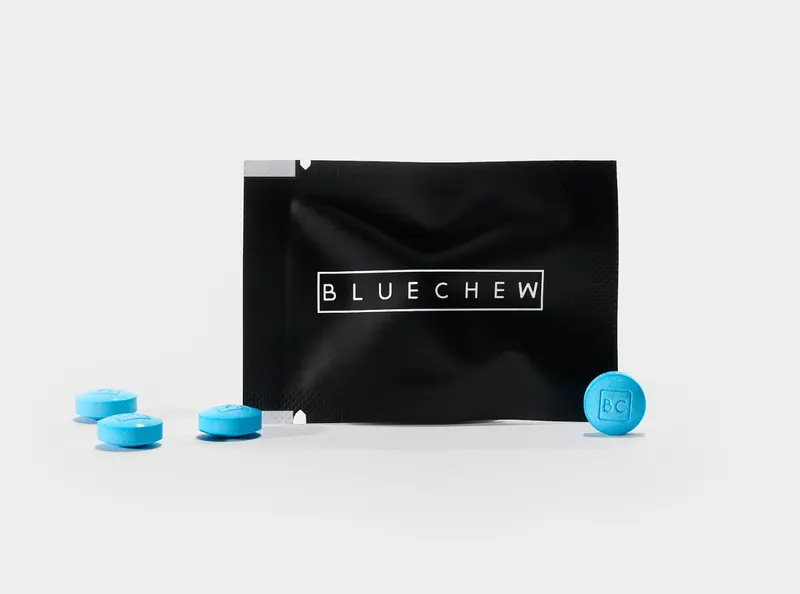
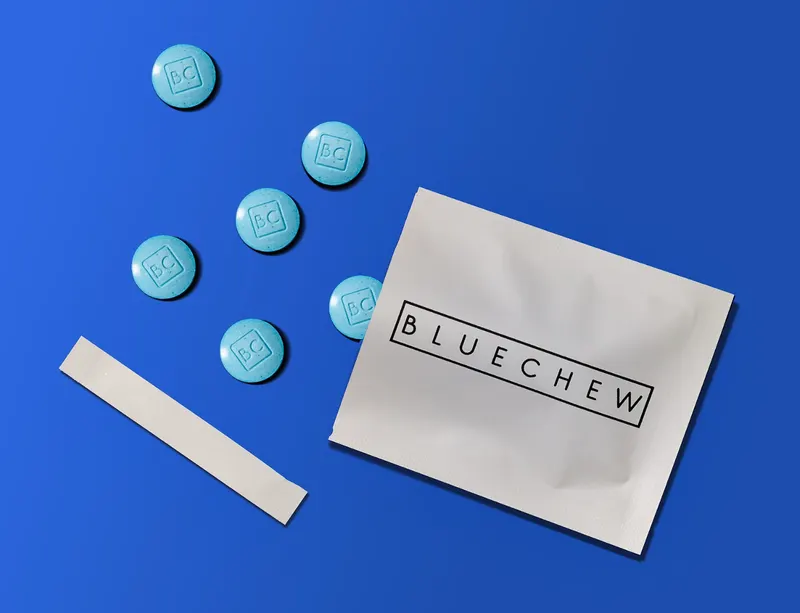
BlueChew is a telemedicine service that connects patients with licensed medical providers. A provider reviews the patient’s submitted health information and may prescribe a compounded erectile dysfunction medication if medically appropriate.
BlueChew products are intended to address erectile difficulties. They are not established treatments for PSSD, genital numbness, reduced libido, pleasureless orgasm, emotional blunting, or antidepressant withdrawal.
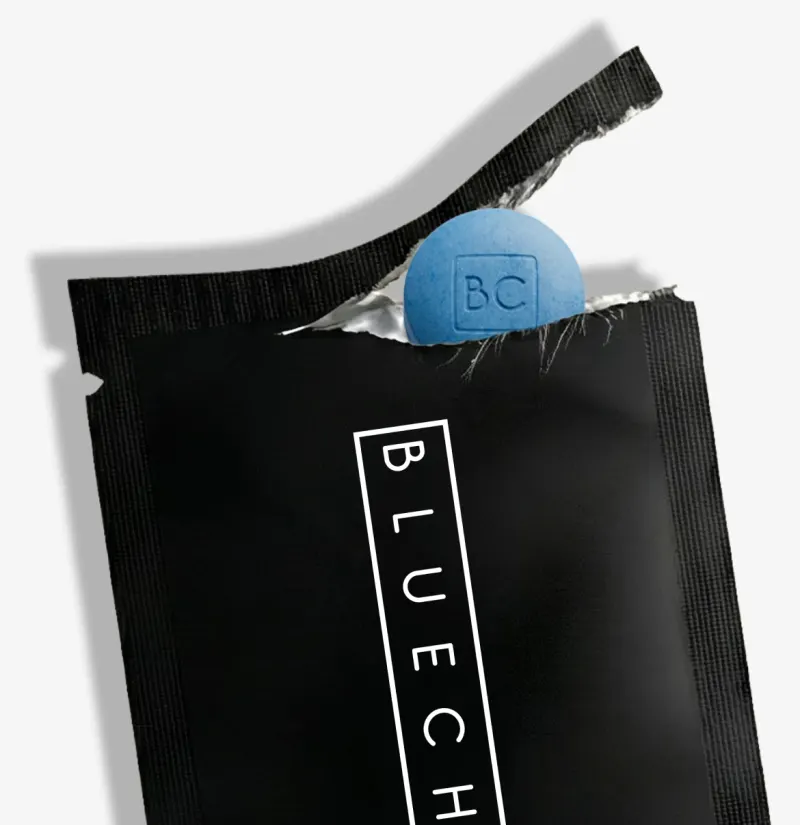
DailyTAD comes in a chewable tablet. SIL, TAD, VAR, MAX, VMAX, and GOLD are available as a sublingual tablet.
BlueChew’s complete product lineup includes:
- SIL: 45 mg sildenafil, from $3.53/tablet, works in 15 minutes, lasting up to 6 hours
- TAD: 9 mg tadalafil, from $4.47/tablet, effective within 15 minutes, lasting up to 36 hours
- VAR: 8 mg vardenafil, from $4.34/tablet, takes effect in 15 minutes, lasting up to 6 hours
- DailyTAD: 9 mg tadalafil plus 7 essential vitamins, $2.23/tablet, lasting up to 36 hours
- MAX: 45 mg sildenafil + 18 mg tadalafil combo, $5.63/tablet, lasting up to 36 hours
- VMAX: 14 mg vardenafil + 18 mg tadalafil combo, $5.63/tablet, lasting up to 36 hours
- GOLD: sildenafil, tadalafil, oxytocin, and apomorphine sublingual tablet, from $7.30/tablet, lasting up to 36 hours
A licensed provider should determine whether any product is appropriate. GOLD should not be presented as a preferred PSSD treatment because it has not been established as a treatment for this condition.
Patients should review BlueChew’s important safety information and provide a complete list of health conditions, prescriptions, over-the-counter medications, and supplements. BlueChew products should not be taken with nitrates or guanylate cyclase stimulators because the combination may cause an unsafe drop in blood pressure.
How To Get BlueChew GOLD
Interested in getting your hands on a prescription for BlueChew GOLD? We’ve got you covered.
Select a plan, complete an online intake, and you’re done. A medical provider will review your information and, if appropriate, prescribe your plan, which will be shipped directly to your door.
No doctor appointments or patient support charges make it a stress-free experience.
Plus, there’s no commitment. You can easily cancel or switch plans anytime. Click here to explore all treatment plan options at BlueChew.

Frequently Asked Questions
What is the most characteristic sign of PSSD?
Published proposed criteria identify a persistent change in tactile or sexual genital sensation after stopping a serotonin reuptake inhibitor as a central feature. Other symptoms may include reduced desire, erectile dysfunction, reduced lubrication, and weakened or pleasureless orgasm. Genital sensory changes can also have other causes, so clinical evaluation remains necessary.
How soon after stopping an SSRI can PSSD be considered?
The proposed criteria use a minimum duration of three months after discontinuation. Symptoms that occur shortly after stopping may reflect medication clearance, withdrawal, the underlying psychiatric condition, or another cause. The three-month threshold is a proposed clinical criterion rather than a definitive test.
Can PSSD begin after the medication has been stopped?
Published reports describe symptoms that persist from treatment as well as symptoms that become apparent or worsen after discontinuation. Timing alone cannot confirm PSSD. A clinician should review the complete medication history, symptom sequence, and possible alternative explanations.
How long does PSSD last?
There is no reliable individual prognosis. Published reports describe different trajectories, including partial improvement and long-lasting symptoms. Current evidence cannot predict the duration for a particular person.
Can BlueChew treat PSSD?
BlueChew products are compounded medications intended to address erectile dysfunction in eligible patients. They have not been established as treatments for PSSD itself. They may not improve genital numbness, reduced desire, pleasureless orgasm, emotional blunting, or other reported symptoms.
This article is provided for informational purposes only and does not constitute medical advice. The information presented is not a substitute for professional medical advice, diagnosis, or treatment. Always consult your healthcare provider to discuss the risks, benefits, and appropriateness of any treatment.
BlueChew offers access to healthcare providers who may prescribe compounded medications for the treatment of erectile dysfunction.
The featured products include compounded medications that have not been approved by the FDA. Compounded medications may be prescribed under federal law but are not the same as, nor are they generic versions of, any FDA-approved medication. The FDA does not review compounded medications for safety, effectiveness, or manufacturing quality of compounded products. A prescription will only be written if deemed appropriate after the digital consultation by the licensed medical provider. Individual results may vary.
BlueChew is not a compounding pharmacy but a telemedicine service that links patients to licensed medical providers.
Other Helpful Articles