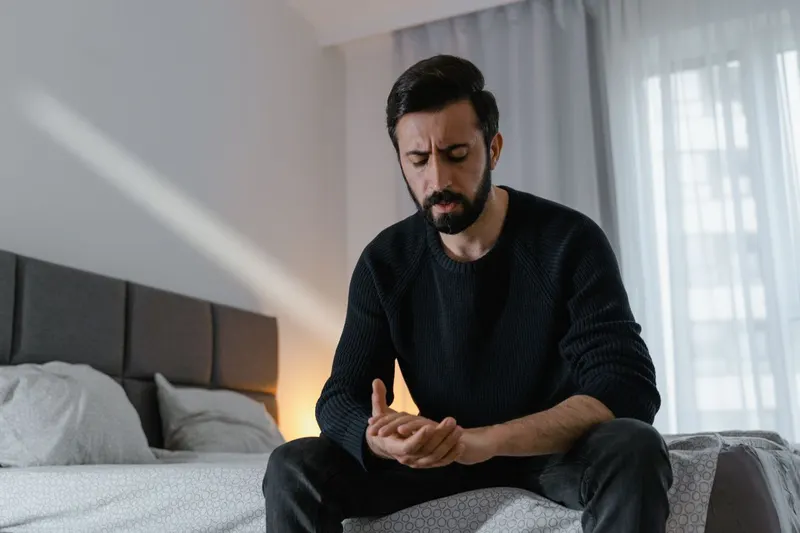

How to Treat PIED Without Cold Turkey Burnout

If you've noticed that real-life intimacy doesn't feel the same as it used to, you're not alone. Porn-induced erectile dysfunction (PIED) is commonly used to describe erection difficulties that may be connected to heavy or problematic pornography use. Research published in JMIR Public Health found that 21% of sexually active young men reported some degree of erectile dysfunction, with higher ED rates among those reporting problematic pornography consumption. Understanding how arousal, stress, habits, and reward pathways can interact may help you take a more sustainable approach to supporting healthy erectile function.
Recovery does not have to be about punishment or an extreme “cold turkey” reset. For many men, a gradual plan that combines habit changes, anxiety management, partner communication, and medical guidance can feel more realistic than an all-or-nothing approach.
Key Takeaways
- PIED is often discussed as a conditioning pattern involving arousal, habits, and sexual response, not a character flaw.
- A gradual reduction plan may be easier to sustain than abrupt cessation for some men.
- Performance anxiety can make erection difficulties worse, even when the original trigger is improving.
- ED medication may be one option to discuss with a licensed provider while also addressing behavioral and psychological factors.
- If ED continues, worsens, or appears suddenly, speak with a healthcare provider to rule out physical causes.
Understanding Porn Addiction Symptoms and Their Link to ED
PIED may develop when arousal becomes strongly tied to high-intensity, highly novel visual stimulation. This does not mean every person who watches pornography will develop ED, and it does not mean masturbation itself is the problem. The concern is when pornography use starts to interfere with partnered intimacy, arousal, or daily life.
Recognizing the Signs of PIED
A common pattern is difficulty achieving or maintaining erections with a real partner while having fewer issues during pornography use. Other signs may include needing more intense content to feel aroused, feeling less interested in partnered intimacy, or finding it harder to stay mentally present during sex.
Common indicators include:
- Stronger erections during pornography use than with a partner
- Escalating to more intense content over time
- Decreased interest in real-life sexual encounters
- Mental distraction or difficulty staying present during intimacy
- Less reliable morning erections
These signs can also overlap with stress, depression, anxiety, relationship conflict, medication side effects, low sleep quality, alcohol use, and underlying cardiovascular or hormonal issues. A medical provider can help determine what may be contributing.
The Neurological Impact of Excessive Pornography
Your brain responds to novel, stimulating content by engaging reward pathways, including dopamine-related signaling. Over time, repeated high-intensity stimulation may influence what feels arousing, exciting, or rewarding.
This does not mean the brain is permanently damaged. It means arousal patterns can become conditioned, and those patterns may be changed with time, consistency, and the right support. If real-life sexual cues feel less stimulating than pornography, the goal is to reduce overstimulation while rebuilding comfort, connection, and responsiveness during partnered intimacy.
Dopamine Detox: Rebalancing Your Brain's Reward System
The phrase “dopamine detox” is popular, but it can be misleading. You are not removing dopamine from your brain. A better way to think about PIED recovery is reducing overstimulating cues and giving your arousal system time to respond more naturally to real-life intimacy.
The Science Behind Dopamine Detoxing
There is no universal recovery timeline. Some men notice changes within a few weeks, while others need longer depending on their pornography use patterns, stress levels, relationship context, mental health, and overall physical health.
During a reset period, some men report:
- Strong cravings or urges in the first few weeks
- Temporary mood changes, irritability, or restlessness
- Periods of lower libido
- Gradual improvement in real-life arousal
- More confidence as positive partnered experiences return
Avoid measuring progress by “testing” yourself with pornography. A more useful measure is whether you feel more present, connected, and responsive during real-life intimacy.
Implementing a Gradual Dopamine Reset
Complete abstinence works for some people, but others find a gradual reduction plan more sustainable. Instead of treating one slip as failure, focus on reducing frequency, identifying triggers, and replacing the habit with something healthier.
A sustainable reduction schedule may look like this:
- Reduce frequency and identify your highest-risk times
- Remove pornography from your most automatic routines
- Limit or eliminate pornography while focusing on real-life connection
- Continue avoiding pornography if it remains a trigger for ED or compulsive use
This is not a rigid medical protocol. It is a practical framework you can adapt with the help of a therapist, healthcare provider, or trusted support system.
Navigating Withdrawal Symptoms
Some people feel more irritable, restless, or tempted to return to old habits after reducing pornography use. These feelings are usually easier to manage when you plan for them instead of relying on willpower alone.
A common experience in online recovery communities is sometimes called “flatline,” or a temporary drop in libido. Not everyone experiences this, and it is not a formal diagnosis. If low libido persists, becomes distressing, or comes with other symptoms, talk with a healthcare provider.
Breaking the Cycle: How to Quit Porn Addiction Sustainably
Sustainable recovery requires more than deciding to stop. It often requires changing routines, reducing easy access, and addressing the emotions that drive the habit.
Developing Personalized Strategies for Quitting
The “replace, don’t just remove” approach can make recovery feel more manageable. When you remove a behavior without replacing it, stress, boredom, or loneliness can pull you back into the same pattern.
Practical replacement strategies include:
- Schedule engaging activities during typical use times
- Keep devices out of the bedroom
- Use website blockers across all devices
- Build an evening routine that does not revolve around screens
- Use exercise, journaling, or meditation as stress outlets
- Notice cravings without acting on them, then redirect your attention
Cognitive behavioral tools can also help. For example, you can track triggers, write down the thought that comes before the urge, and replace it with a more accurate statement such as, “This craving will pass whether I act on it or not.”
Leveraging Support Systems for Long-Term Success
You do not have to handle this alone. A support system can make recovery feel less isolating and more accountable.
Support options include:
- Honest partner communication
- A therapist familiar with sexual health or compulsive sexual behavior
- Cognitive behavioral therapy (CBT)
- Peer support communities
- Accountability tools or blocking software
- A healthcare provider who can evaluate ED from both physical and psychological angles
If pornography use feels compulsive, causes distress, or interferes with relationships, professional support is especially important.
Addressing Performance Anxiety: A Key Aspect of PIED Recovery
Performance anxiety can persist even when pornography use is improving. Once you start worrying about whether an erection will happen, the pressure itself can interfere with arousal.
Mind-Body Techniques for Reducing Anxiety
Stress activates the body in a way that can work against sexual arousal. Managing stress-related ED often means addressing both the mental pressure and the physical stress response.
Helpful anxiety-reduction approaches include:
- Slow breathing before and during intimacy
- Mindfulness practice to stay present
- Sensate focus exercises that remove pressure to perform
- Progressive muscle relaxation
- Taking penetration off the table temporarily
- Reframing setbacks as part of the process, not proof of failure
Rebuilding Confidence in the Bedroom
Confidence often returns through low-pressure, positive experiences. Start with non-penetrative intimacy, focus on connection, and gradually rebuild toward the kinds of sexual experiences you want.
It may also help to talk with your partner ahead of time. A simple conversation about taking pressure off performance can reduce the fear of “failing” in the moment.
Erectile Dysfunction Treatment Options for PIED Recovery
Medication does not “cure” problematic pornography use or recondition arousal by itself. However, ED medication may be one option to discuss with a licensed provider while also working on the psychological and behavioral parts of recovery.
Understanding PDE5 Inhibitors During Recovery
PDE5 inhibitors such as sildenafil and tadalafil help support blood flow when sexual arousal is present. They still require arousal to start the process, which matters for PIED because the underlying concern is often tied to arousal patterns, anxiety, or conditioning.
A randomized placebo-controlled trial on non-organic erectile dysfunction found that integrated treatment combining sildenafil with cognitive behavior sex therapy showed improvement compared with placebo. This supports the idea that some men may benefit from addressing both physical and psychological factors.
Medication support may help by:
- Supporting erectile response during arousal
- Reducing pressure around sexual performance for some men
- Making it easier to focus on connection rather than self-monitoring
- Giving patients another treatment option to discuss with a provider
Medication is not right for everyone. A licensed medical provider should review your health history, current medications, and risk factors before prescribing ED treatment.
The Role of Telemedicine in Accessing Treatment
Online care can make it easier to ask questions and explore ED treatment options privately. Understanding your options can help you decide whether a telehealth consultation is a good next step.
Beyond Medication: How to Recover from Porn Addiction Holistically
Long-term recovery is easier when your daily habits support your sexual health, mental health, and relationships.
Integrating Healthy Habits
Physical health plays a major role in erectile function. Blood flow, sleep quality, stress, alcohol use, and overall cardiovascular health can all influence erections.
Lifestyle factors that support recovery include:
- Regular cardiovascular exercise
- Consistent, quality sleep
- A balanced diet with fruits, vegetables, lean proteins, and whole grains
- Stress management through meditation, hobbies, or social connection
- Limiting alcohol, which can interfere with erectile function
- Staying consistent with medical care for blood pressure, diabetes, or other health concerns
Building a Fulfilling Life Beyond Pornography
For some men, pornography becomes a coping tool for stress, loneliness, boredom, or relationship tension. Recovery is not only about stopping a behavior. It is also about building a life that gives you healthier ways to feel calm, connected, and satisfied.
That may mean rebuilding intimacy with your partner, spending more time with friends, exercising, pursuing hobbies, or working with a therapist to address anxiety or self-esteem.
How BlueChew Can Support Your PIED Recovery
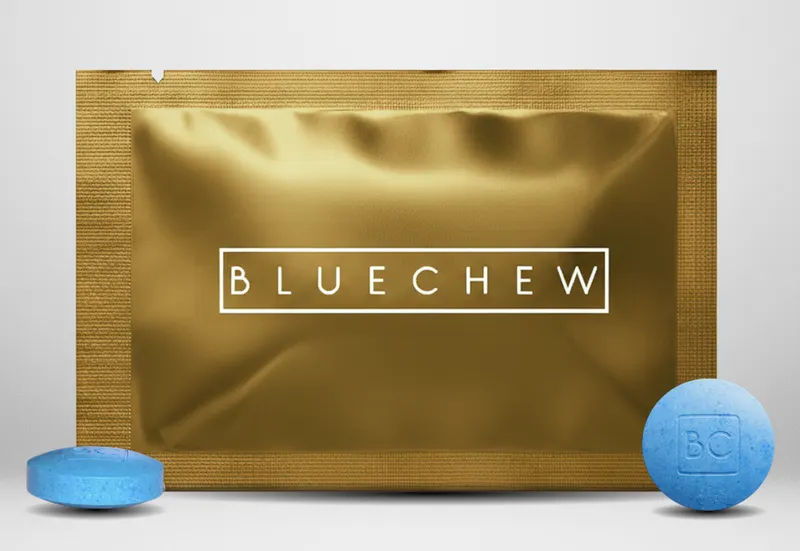
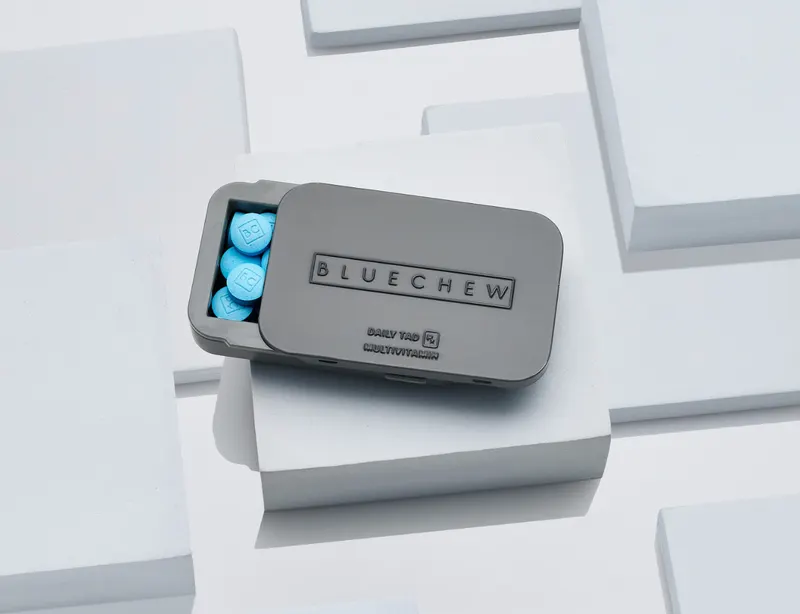
PIED recovery often involves both reducing overstimulating habits and rebuilding confidence during real-life intimacy. BlueChew offers prescription compounded medications for erectile dysfunction after an online provider review, giving patients access to treatment options they can discuss with a licensed provider.
BlueChew provides prescription medications containing the active ingredients sildenafil, vardenafil, and tadalafil. Sildenafil, vardenafil, and tadalafil are the active ingredients in Viagra, Levitra, and Cialis, respectively.
GOLD may be relevant for patients who want to discuss a multi-ingredient option with a licensed provider. It includes sildenafil, tadalafil, oxytocin, and apomorphine in a sublingual tablet. You can also read more about what BlueChew GOLD is and how fast BlueChew GOLD works.
BlueChew’s complete product lineup includes:
- SIL: 45 mg sildenafil, from $2.95/tablet, works in 15 minutes, lasting up to 6 hours
- TAD: 9 mg tadalafil, from $3.58/tablet, effective within 15 minutes, lasting up to 36 hours
- VAR: 8 mg vardenafil, from $4.34/tablet, takes effect in 15 minutes, lasting up to 6 hours
- DailyTAD: 9 mg tadalafil plus 7 essential vitamins, $2.23/tablet, lasting up to 36 hours
- MAX: 45 mg sildenafil + 18 mg tadalafil combo, $5.63/tablet, lasting up to 36 hours
- VMAX: 14 mg vardenafil + 18 mg tadalafil combo, $5.63/tablet, lasting up to 36 hours
- GOLD: sildenafil, tadalafil, oxytocin, and apomorphine sublingual tablet, from $7.30/tablet, lasting up to 36 hours
Frequently Asked Questions
Can PIED be fully reversed?
Many men report improvement after reducing pornography use, managing anxiety, and rebuilding real-life intimacy, but recovery timelines vary. ED can also have physical causes, so it is important to speak with a healthcare provider if symptoms continue or if you are unsure what is causing them.
How long does a dopamine detox for PIED typically take to show results?
There is no guaranteed timeline. Some men notice changes within a few weeks, while others need longer. Progress may depend on pornography use patterns, stress, relationship factors, sleep, physical health, and whether anxiety is also contributing.
Is it safe to use ED medication like BlueChew while recovering from porn addiction?
ED medication may be appropriate for some men, but it should be prescribed by a licensed medical provider after reviewing your health history. Medication can support erectile function during arousal, but it should be paired with behavioral changes, anxiety management, and attention to the underlying factors contributing to ED.
What are the first steps I should take if I suspect I have PIED?
Start by reducing or pausing pornography use, identifying your triggers, and replacing the habit with healthier routines. Consider talking with a partner, therapist, or healthcare provider. If ED persists, a provider can help rule out physical causes and discuss whether treatment support is appropriate.
How does BlueChew's GOLD product address both psychological and physiological ED?
GOLD includes sildenafil and tadalafil, which support blood flow during arousal, along with apomorphine and oxytocin in a sublingual tablet. Because ED can involve both physical and psychological factors, a licensed provider can help determine whether GOLD or another option is appropriate for your situation.
This article is provided for informational purposes only and does not constitute medical advice. The information presented is not a substitute for professional medical advice, diagnosis, or treatment. Always consult your healthcare provider to discuss the risks, benefits, and appropriateness of any treatment.
BlueChew offers access to healthcare providers who may prescribe compounded medications for the treatment of erectile dysfunction.
The featured products include compounded medications that have not been approved by the FDA. Compounded medications may be prescribed under federal law but are not the same as, nor are they generic versions of, any FDA-approved medication. The FDA does not review compounded medications for safety, effectiveness, or manufacturing quality of compounded products. A prescription will only be written if deemed appropriate after the digital consultation by the licensed medical provider. Individual results may vary.
BlueChew is not a compounding pharmacy but a telemedicine service that links patients to licensed medical providers.