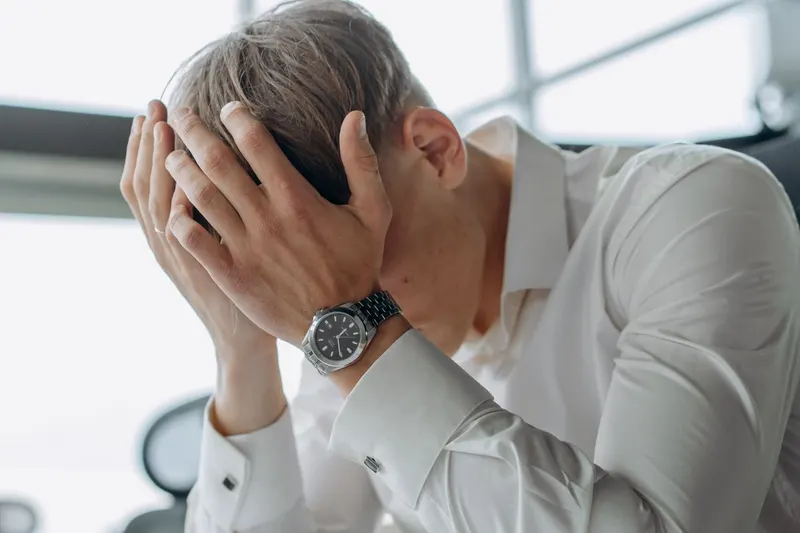

How to Treat ED Caused by Stress

Work deadlines, financial pressure, relationship tension, and other ongoing concerns can make it difficult to feel mentally present during sex. When an erection becomes harder to achieve or maintain during stressful periods, it may be tempting to assume that stress is the sole cause.
Stress can contribute to erection difficulties, but erectile dysfunction is often multifactorial. Psychological, vascular, hormonal, neurological, medication-related, and relationship factors may overlap. Recurring symptoms should be evaluated by a healthcare provider rather than diagnosed based on timing alone.
A study examining daily stress and sexual function found that greater exposure to everyday stressors was associated with lower sexual functioning in both men and women. Because the study was observational, it does not prove that stress directly caused erectile dysfunction in every participant. It does support a broader relationship between ongoing stress and sexual difficulties.
Key Takeaways
- Stress may contribute to erection difficulties by increasing anxiety, distraction, physical tension, and self-monitoring
- Erectile dysfunction can involve psychological and physical factors at the same time
- Slow breathing, regular activity, adequate sleep, and lower-pressure intimacy may help reduce stress
- Open communication can make erection changes feel less like an individual failure
- Persistent or sudden erection difficulties should be evaluated by a licensed healthcare provider
- Prescription treatment may support erectile function when medically appropriate, but it does not directly treat stress or anxiety

How Stress Can Affect Erections
An erection requires coordinated activity among the brain, nervous system, hormones, blood vessels, and erectile tissue. Sexual stimulation triggers signals that help relax smooth muscle and increase blood flow into the penis.
A major review of erectile dysfunction and its causes describes ED as a condition that may involve organic, psychological, and relationship-related components. Stress may be one contributor within this broader system rather than a complete explanation on its own.
Physical Tension and Mental Distraction
During a stressful moment, the body may become more alert. Heart rate can increase, muscles may tighten, and attention may shift toward whatever feels threatening or urgent.
A clinical study of stress and erectile response evaluated men with presumed psychogenic erectile dysfunction. The researchers examined whether stress-related elevations in norepinephrine were associated with reduced erectile response. The findings supported a possible connection between heightened sympathetic activity and impaired erection response in that particular patient group.
The study does not mean that every stressful thought prevents an erection or that stress affects all men in the same way. It provides evidence for one possible physiological pathway connecting stress and erectile function.
Stress can also pull attention away from arousal and toward concerns such as:
- Work that remains unfinished
- Financial or family problems
- Whether an erection will last
- Whether a partner is satisfied
- A previous erection difficulty
- Fear that the same problem will happen again
A clinical study of anxiety among men with sexual dysfunction found that depression and anxiety affected a substantial minority of men seeking evaluation for erectile dysfunction or premature ejaculation. Men with pre-existing anxiety disorders were also more likely to report sexual performance anxiety.
This does not establish that anxiety caused every participant's symptoms. It shows why emotional and psychological health may need to be considered during an ED evaluation.
Do Not Assume Stress Is the Only Cause
Erection difficulties may begin during a stressful period without being caused entirely by stress.
Erectile dysfunction may also be associated with:
- Cardiovascular disease
- Diabetes
- High blood pressure
- High cholesterol
- Obesity
- Depression
- Neurological conditions
- Hormonal concerns
- Medication side effects
- Alcohol or other substance use
- Pain or discomfort
- Relationship difficulties
A review of the diagnosis and management of ED notes associations between erectile dysfunction and conditions such as diabetes, hypertension, dyslipidemia, cardiovascular disease, obesity, depression, and insufficient physical activity. The authors emphasize the importance of a complete medical and sexual history rather than assuming one cause.
Practical Ways to Reduce Stress and Performance Pressure
Stress-management techniques do not guarantee that an erection will occur. Their role is to reduce tension, make it easier to stay present, and prevent a temporary erection change from becoming an emergency.
Slow Your Breathing
Breathing exercises do not directly treat erectile dysfunction. However, slowing the breath may help reduce short-term anxiety and provide a point of focus when stress is pulling attention away from intimacy.
A study of slow diaphragmatic breathing examined how breathing rate and inhalation-to-exhalation patterns affected state anxiety during a single session. The results suggested that slow breathing patterns may reduce short-term anxiety, although the study did not specifically investigate erectile dysfunction or sexual performance.
Before intimacy or during a pause:
- Sit or lie in a comfortable position
- Inhale gently through the nose
- Exhale slowly without forcing the breath
- Allow the exhale to last slightly longer than the inhale
- Repeat for several comfortable cycles
There is no need to hold the breath or follow a rigid count. Stop if the exercise causes dizziness, breathlessness, or increased anxiety.
Move Attention Away From Erection Monitoring
Constantly evaluating erection firmness can turn sex into an internal performance review. Instead of checking whether the erection is adequate every few seconds, choose one immediate sensation.
This might include:
- The warmth of a partner's skin
- The pressure of being touched
- The sensation of kissing
- The sound of breathing
- The movement of the body
- The feeling of giving or receiving pleasure
Expand the Definition of Intimacy
Sex does not have to follow a fixed sequence ending in penetration and orgasm. When an erection becomes the only measure of whether intimacy is successful, any change in firmness can feel like failure.
Partners may continue with kissing, touching, oral sex, manual stimulation, massage, or another mutually agreed activity. They may also choose to pause or stop.
Helpful intentions include:
- Staying connected
- Communicating clearly
- Paying attention to pleasure
- Remaining open to changing activities
- Respecting each person's boundaries
- Avoiding pressure to prove that the erection has returned
Consider Sensate Focus
Sensate focus is a structured form of touch that reduces immediate pressure to perform. Early exercises typically emphasize noticing sensations rather than trying to produce penetration, erection, or orgasm.
A study of online sensate-focus exercises involving heterosexual couples found improvements in several measures of sexual functioning and intimacy after the intervention. The researchers described the approach as potentially useful within stepped care while noting that further research is needed.
A simplified starting point may involve:
- Agreeing that penetration is not the immediate goal
- Taking turns giving and receiving non-demanding touch
- Describing what feels comfortable
- Avoiding pressure to become erect
- Gradually expanding the types of touch over time
A qualified sex therapist can provide more structured guidance. Both partners should remain free to pause or stop at any point.
Support Stress Management Outside the Bedroom
Erection concerns that appear during stressful periods may be easier to address when general stress, health habits, and medication factors are also considered.
Create a Transition Into Intimacy
Moving directly from work emails, household responsibilities, or conflict into sex may leave little time for attention to shift.
A transition routine might include:
- Putting work devices away
- Taking a shower
- Changing into comfortable clothing
- Spending several minutes talking
- Stretching
- Listening to music
- Practicing slow breathing
- Giving each other a massage
- Addressing privacy concerns beforehand
The routine does not need to be elaborate. Its purpose is to create a boundary between daily responsibilities and intimate time.
Exercise Regularly
Exercise may support both stress management and erectile function, but the relevant evidence concerns consistent activity rather than a single workout immediately before sex.
A systematic review and meta-analysis of aerobic exercise and erectile function evaluated randomized controlled trials involving men with erectile dysfunction. Regular aerobic exercise improved erectile-function scores, with greater average improvements among participants who began with more severe symptoms.
The appropriate amount and intensity depend on general health, current fitness, and medical conditions. Someone with cardiovascular symptoms or major exercise limitations should speak with a healthcare provider before beginning a new program.
Protect Sleep
Poor sleep can make stress, emotional regulation, and concentration more difficult. Improving sleep may therefore support a broader stress-management plan.
A meta-analysis of sleep-improvement interventions found that interventions that improved sleep quality also produced improvements in several mental health outcomes. The study did not establish that better sleep directly treats erectile dysfunction.
Practical sleep habits may include:
- Keeping a reasonably consistent sleep schedule
- Reducing late-night work when possible
- Limiting screen use close to bedtime
- Keeping the bedroom dark and comfortable
- Avoiding heavy alcohol use before sleep
- Seeking evaluation for loud snoring, breathing pauses, or persistent daytime sleepiness
Review Alcohol and Medications
Alcohol may reduce inhibition, but increasing the amount does not necessarily improve sexual function. Heavy drinking may interfere with arousal, communication, judgment, and erection quality.
Pay attention to whether erection difficulties happen more often after drinking or whether alcohol has become the main way of managing sexual anxiety.
Some prescription medications may also contribute to changes in erection, desire, ejaculation, or orgasm. These can include certain antidepressants, blood-pressure medications, hormonal treatments, and other drugs.
Talk to Your Partner
Erection difficulties can affect both people in a relationship. A partner may incorrectly assume that the change reflects reduced attraction, interest, or emotional connection.
Choose a calm moment outside the bedroom and consider saying:
- “I have been under a lot of stress, and I think it may be affecting me physically.”
- “This is not about a lack of attraction.”
- “I notice that I get more anxious when I feel pressure to stay hard.”
- “It helps when we slow down and focus on other kinds of touch.”
- “I would like us to treat this as something we can work through together.”
During intimacy, shorter statements may be more useful:
- “Can we slow down?”
- “Keep touching me like that.”
- “My body needs a moment.”
- “Can we go back to kissing?”
- “I still want to be close.”
- “Would you like to try something else?”
Communication cannot resolve every cause of ED, but it can reduce uncertainty and prevent both partners from silently assuming the worst.
When Professional Support May Help
Professional support may be appropriate when symptoms persist, represent a sudden change, or cause significant distress.
Medical Evaluation
Contact a healthcare provider when erection difficulties:
- Happen during most sexual encounters
- Continue for several weeks or months
- Represent a sudden change
- Occur during masturbation as well as partnered sex
- Are accompanied by pain, curvature, reduced sensation, or loss of desire
- Begin after starting or changing a medication
- Cause substantial anxiety or relationship distress
- Occur alongside chest pain, shortness of breath, or other cardiovascular symptoms
A medical evaluation may involve a health and sexual history, medication review, physical examination, blood-pressure check, or laboratory testing. The goal is to identify contributing factors rather than automatically label the problem as psychological.
Therapy or Counseling
Therapy may help when stress is persistent, performance anxiety occurs during most encounters, or erection concerns have begun to affect self-esteem and relationships.
A randomized controlled trial of online cognitive behavioral therapy for nonorganic ED found improvements in erectile functioning, negative emotions, and self-esteem among participants receiving the intervention. The study involved a specific patient group and should not be assumed to apply to every case of ED.
A qualified therapist may help address:
- Performance anxiety
- Work or financial stress
- Catastrophic thinking
- Relationship conflict
- Body-image concerns
- Previous negative sexual experiences
- Trauma-related reactions
- Broader anxiety or depression
Options may include individual therapy, sex therapy, or couples counseling.
Prescription Treatment
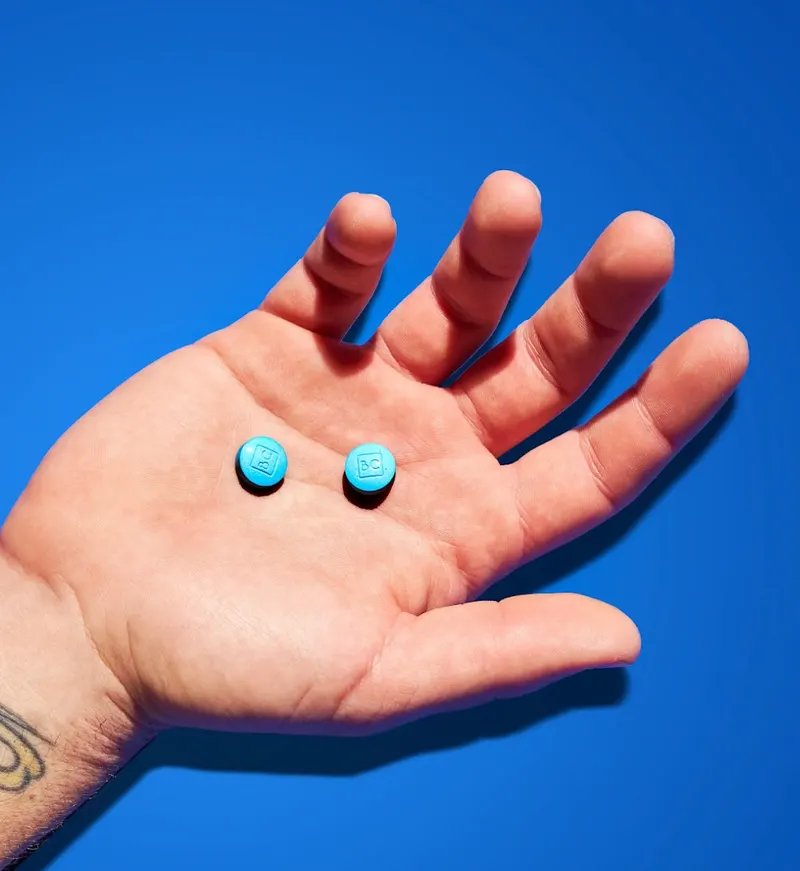
Prescription erectile dysfunction medication may help an eligible patient get or maintain an erection. It does not directly treat work stress, relationship conflict, trauma, or an anxiety disorder.
A systematic review and meta-analysis of psychological and medication treatments compared psychological interventions, PDE5 inhibitors, and combined approaches. The analysis found evidence that both psychological interventions and PDE5 inhibitors can improve ED symptoms, with combined treatment potentially providing additional benefits for some patients.
The findings do not mean that every patient needs medication and therapy together. Treatment should be selected based on medical history, symptoms, contributing factors, preferences, and licensed provider evaluation.
BlueChew Treatment Options
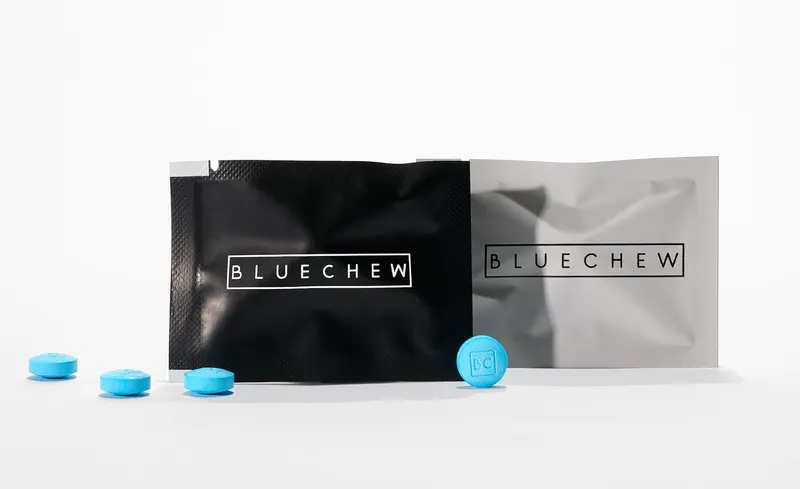
BlueChew is a telemedicine service that connects patients with licensed medical providers. A provider reviews the patient's submitted health information and may prescribe a compounded erectile dysfunction medication if medically appropriate.
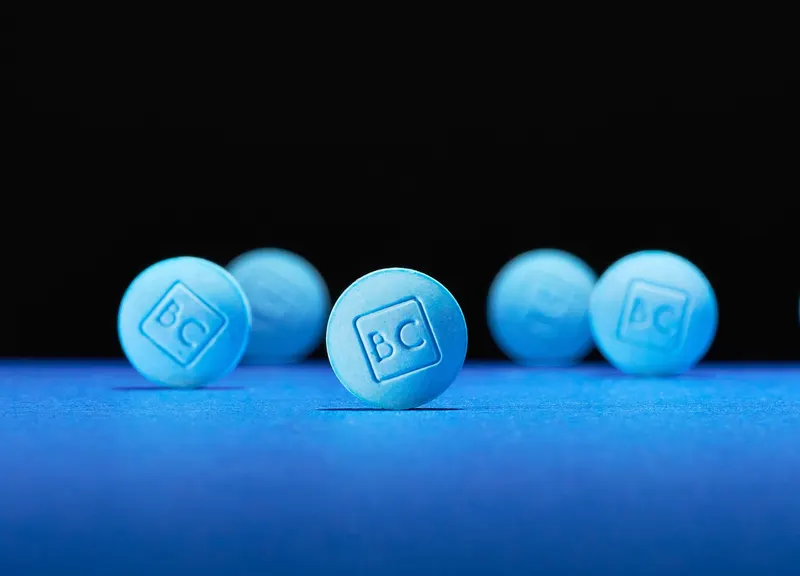
DailyTAD comes in a chewable tablet. SIL, TAD, VAR, MAX, VMAX, and GOLD are available as a sublingual tablet.
BlueChew’s complete product lineup includes:
- SIL: 45 mg sildenafil, from $3.53/tablet, works in 15 minutes, lasting up to 6 hours
- TAD: 9 mg tadalafil, from $4.47/tablet, effective within 15 minutes, lasting up to 36 hours
- VAR: 8 mg vardenafil, from $4.34/tablet, takes effect in 15 minutes, lasting up to 6 hours
- DailyTAD: 9 mg tadalafil plus 7 essential vitamins, $2.23/tablet, lasting up to 36 hours
- MAX: 45 mg sildenafil + 18 mg tadalafil combo, $5.63/tablet, lasting up to 36 hours
- VMAX: 14 mg vardenafil + 18 mg tadalafil combo, $5.63/tablet, lasting up to 36 hours
- GOLD: sildenafil, tadalafil, oxytocin, and apomorphine sublingual tablet, from $7.30/tablet, lasting up to 36 hours
Product selection should be based on provider review rather than an assumption that a particular formula is appropriate for stress-related concerns.
Patients should read the important safety information and provide a complete list of health conditions, prescriptions, over-the-counter medications, and supplements. BlueChew products should not be used with nitrates or guanylate cyclase stimulators because the combination may cause an unsafe drop in blood pressure.
How To Get Medication Through BlueChew
Interested in getting your hands on a prescription for BlueChew GOLD? BlueChew has got you covered.
Select a plan, complete an online intake, and you’re done. A medical provider will review your information and, if appropriate, prescribe your plan, which will be shipped directly to your door.
No doctor appointments or patient support charges make it a stress-free experience.
Plus, there’s no commitment. You can easily cancel or switch plans anytime. Click here to explore all treatment plan options at BlueChew.
Frequently Asked Questions
Can stress cause erectile dysfunction in someone who is otherwise healthy?
Stress may contribute to erection difficulties even when a person has no diagnosed medical condition. Anxiety, distraction, physical tension, and performance monitoring can interfere with sexual responsiveness. However, appearing healthy does not rule out vascular, hormonal, neurological, medication-related, or other contributing factors. Recurring symptoms should still be evaluated by a healthcare provider.
How long does stress-related ED take to improve?
There is no reliable universal timeline. Improvement depends on the type and duration of stress, whether other medical factors are present, and which treatments or coping strategies are used. Claims that stress-related ED should resolve within a specific number of weeks are not appropriate for every patient. A healthcare provider should evaluate symptoms that persist or cause substantial distress.
Should someone tell their partner about erection difficulties?
In many relationships, an open conversation can reduce confusion and prevent a partner from assuming that the change reflects reduced attraction. The discussion should happen at a calm time rather than during an argument or highly stressful sexual moment. Both partners can discuss what reduces pressure, which forms of touch feel comfortable, and how they would like to respond if the erection changes again.
Will ED medication work when stress is contributing to the problem?
Prescription ED medication may support erectile function for eligible patients, including some whose symptoms have psychological and physical components. It does not directly treat stress, anxiety, relationship conflict, or trauma. Some patients may benefit from medication, psychological support, or a combination, depending on licensed professional evaluation.
How can someone tell whether the problem is caused by stress?
Clues such as symptoms beginning during a stressful period or occurring primarily in certain situations may suggest a psychological component, but they do not establish a diagnosis. Preserved erections in other settings also do not completely rule out physical contributors. A healthcare provider can assess medical history, symptoms, medications, lifestyle factors, and emotional health before recommending treatment.
This article is provided for informational purposes only and does not constitute medical advice. The information presented is not a substitute for professional medical advice, diagnosis, or treatment. Always consult your healthcare provider to discuss the risks, benefits, and appropriateness of any treatment.
BlueChew offers access to healthcare providers who may prescribe compounded medications for the treatment of erectile dysfunction.
The featured products include compounded medications that have not been approved by the FDA. Compounded medications may be prescribed under federal law but are not the same as, nor are they generic versions of, any FDA-approved medication. The FDA does not review compounded medications for safety, effectiveness, or manufacturing quality of compounded products. A prescription will only be written if deemed appropriate after the digital consultation by the licensed medical provider. Individual results may vary.
BlueChew is not a compounding pharmacy but a telemedicine service that links patients to licensed medical providers.