
How to Recover From PIED in 90 Days

Some men notice that erections feel easier with pornography than with a real partner. That can be confusing, especially when attraction and desire are still present. This pattern is sometimes called porn-induced erectile dysfunction, or PIED, but it is not an official medical diagnosis.
The “90-day” idea is best understood as a common online framework, not a guaranteed medical timeline. Research on pornography and sexual dysfunction has found mixed results, meaning pornography may be one possible factor for some men but should not be treated as the only explanation for erectile difficulties.
ED can also involve stress, anxiety, relationship pressure, sleep, alcohol use, cardiovascular health, medications, hormones, or other medical factors. If you are trying to reduce porn use and rebuild confidence with a partner, this guide can help you approach the process realistically while understanding where support from BlueChew may fit into a broader ED plan.
Key Takeaways
- PIED is a commonly used term, but it is not an official medical diagnosis.
- Pornography may be one factor in erection difficulties for some men, but ED can have multiple physical, psychological, behavioral, and relationship-related contributors.
- A 90-day reset is not guaranteed. Some men notice improvement after reducing or stopping porn use, while others need more time or professional support.
- Temporary libido changes can happen after changing porn habits, but they are not the same for everyone.
- Partner communication and low-pressure intimacy exercises may help reduce performance pressure.
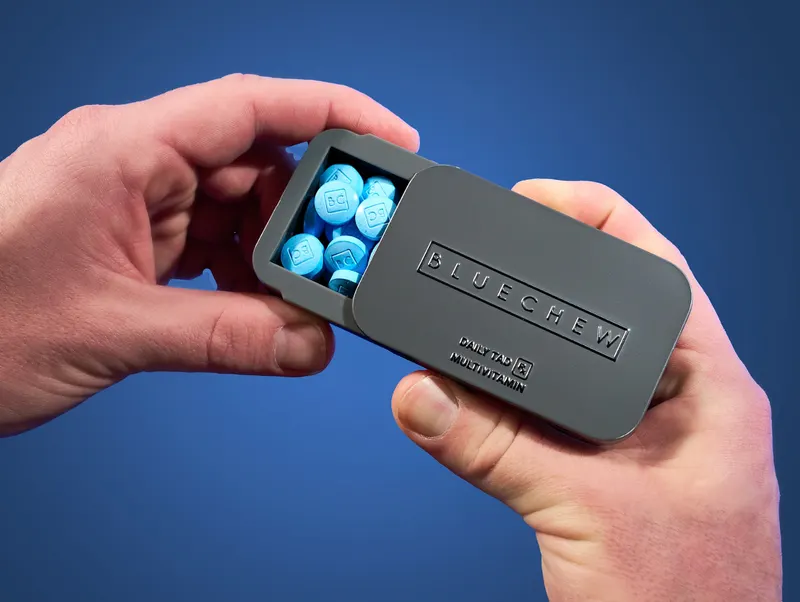
- BlueChew offers prescription compounded medications for ED and sexual performance enhancement after an online provider review.
Understanding PIED: What Is Porn-Induced Erectile Dysfunction?
Porn-induced ED is a term some people use when erections are easier with pornography but more difficult during partnered intimacy. It can be a useful way to describe a pattern, but it should not replace a medical evaluation or be treated as a confirmed diagnosis.
How Porn-Related Arousal Patterns May Develop
Pornography can offer high novelty, visual intensity, and quick access. For some men, frequent or compulsive use may shape arousal expectations or make real-life intimacy feel less immediately stimulating.
That does not mean porn affects everyone the same way. Some people watch pornography without developing ED, and some people experience ED for reasons unrelated to pornography.
Signs that porn may be contributing include:
- Difficulty achieving or maintaining erections with partners despite easier erections during solo porn use
- Needing increasingly novel or intense content to feel aroused
- Finding real-life intimacy less stimulating than digital content
- Feeling anxious or distracted during partnered sex
- Relying on pornographic thoughts to stay aroused
- Choosing pornography over partnered intimacy even when it causes distress
The distinction matters because porn-related arousal patterns may respond to behavioral changes, relationship support, therapy, or medical evaluation depending on the person.
Reducing Porn Triggers and Rebuilding Arousal Patterns
A “dopamine detox” is a popular phrase, but it is not a formal medical treatment. A more accurate goal is to reduce or remove the sexual content that may be reinforcing the pattern and then observe whether real-life arousal, confidence, and intimacy improve over time.
What to Reduce or Avoid
Some men find a full break from pornography helpful because it removes a clear trigger. Others may start by reducing frequency, blocking high-risk content, or avoiding the types of content most tied to compulsive use.
Content and habits to watch include:
- Pornographic videos, images, or saved content
- Social media accounts that trigger compulsive sexual browsing
- Dating apps used mainly for scrolling instead of genuine connection
- Late-night private browsing
- Digital content that leads back into the same habit loop
The goal is not to eliminate all pleasure from life. It is to reduce the specific stimuli that may be making partnered intimacy feel less rewarding.
Managing Urges
Urges are easier to manage when you expect them and have a plan. Common triggers include boredom, stress, loneliness, conflict, fatigue, and unstructured time.
Practical prevention steps include:
- Removing devices from the bedroom
- Installing content-blocking tools if they help
- Planning alternative activities during high-risk times
- Exercising when urges feel intense
- Calling or messaging someone instead of isolating
- Journaling what triggered the urge
- Keeping evenings and weekends more structured
Progress does not have to be perfect. A lapse does not erase all progress, but it can be useful information about what trigger needs more support.
Temporary Libido Changes Can Happen
Some people report temporary libido changes after reducing or stopping pornography use. Others do not. Experiences vary widely, and there is no single “flatline” phase that everyone should expect.
If libido drops for a short period, try not to panic or use pornography to “test” whether things still work. Focus on sleep, stress management, exercise, social connection, and low-pressure intimacy. If low libido, mood changes, or ED symptoms continue or worsen, it is worth speaking with a healthcare provider.
Breaking the Cycle: Strategies to Quit Problematic Porn Use
Successfully reducing porn use often requires more than willpower. It helps to create an environment that supports the behavior you want.
Identify Your Triggers
Most relapses happen in predictable circumstances. Ask yourself:
- What time of day do urges usually appear?
- What emotion usually comes first?
- Am I bored, stressed, lonely, tired, or anxious?
- Am I using porn to avoid another feeling or task?
- What device, app, or environment makes relapse more likely?
Once you know the pattern, you can create a plan that interrupts it earlier.
Build New Habits
When you remove a habit, it helps to replace it with something practical and rewarding.
Consider redirecting time toward:
- Physical activity
- In-person social connection
- Hobbies that require focus
- Skill-building or creative projects
- Therapy or support groups
- More intentional time with your partner
The brain and body respond better to positive replacement behaviors than to pure deprivation.
Reclaiming Sexual Health Beyond Porn
Recovery is not only about quitting porn. It is also about building a healthier relationship with sex, intimacy, and your body.
What Progress May Look Like
Progress can show up in small, gradual ways:
- Less frequent urges
- More awareness of triggers
- Less anxiety during intimacy
- More interest in real-life connection
- Better communication with your partner
- More confidence discussing ED symptoms
- More consistent healthy routines
These changes may happen before erections feel fully reliable. That does not mean the work is failing.
Supporting Sexual Function More Broadly
Physical health also matters. Habits that may support erectile function include:
- Regular physical activity
- Heart-supportive eating habits
- Quality sleep
- Alcohol moderation
- Not smoking
- Stress management
- Support for anxiety or depression
- Open communication with your partner
Small, consistent changes are often more realistic than trying to overhaul everything at once.
Overcoming Performance Anxiety
Performance anxiety often overlaps with porn-related arousal issues. If you have one difficult experience with a partner, you may start monitoring your body the next time. That monitoring can pull attention away from pleasure and make the next experience feel like a test.
Breaking the Anxiety Cycle
Helpful mindset shifts include:
- Focus on sensation instead of outcome
- Treat one difficult experience as information, not failure
- Communicate with your partner outside the bedroom
- Slow down instead of trying to force arousal
- Remember that intimacy can include more than penetration
If anxiety is persistent or intense, therapy may help. A systematic review of psychological interventions for ED found that psychological interventions, alone or combined with PDE5 inhibitors, may improve erectile function for some men.
Low-Pressure Intimacy Exercises
Some couples benefit from temporarily taking penetrative sex off the table. This can lower pressure and make it easier to reconnect with touch and pleasure.
Try focusing on:
- Kissing
- Massage
- Non-genital touch
- Manual or oral stimulation without a performance goal
- Slow foreplay
- Eye contact and emotional closeness
The point is to rebuild comfort with real-life intimacy without making erection quality the only measure of success.
When to Seek Professional Support
Professional support may be helpful if porn use feels compulsive, ED continues, or anxiety is affecting your sex life or relationship.
A review of compulsive sexual behavior treatment found that interventions for compulsive sexual behavior disorder and problematic pornography use vary, and more research is still needed. This supports a cautious approach: professional support may help, but no single strategy works for everyone.
Consider speaking with a healthcare provider or therapist if:
- You have tried to reduce porn repeatedly without success
- Porn use is causing relationship distress
- ED continues or worsens over time
- You rarely or never have morning erections
- ED happens across most situations, not only partnered sex
- You have pain, urinary symptoms, or penile changes
- Anxiety, depression, trauma, or relationship issues may be involved
- You recently started or changed medication
Support may include medical evaluation, therapy, sex therapy, couples counseling, or provider-guided ED treatment.
Medical Support for ED Symptoms
Behavioral changes may help if porn use is part of the issue, but ED treatment often works best when it addresses the full picture.
Understanding PDE5 Inhibitors
PDE5 inhibitors such as sildenafil, tadalafil, and vardenafil work by supporting blood flow after sexual stimulation. They do not create arousal on their own, and they do not directly change porn habits, compulsive behavior, or performance anxiety.
For some men, prescription ED medication may help support erectile response while they also address behavioral, psychological, or relationship factors. A licensed provider can determine whether medication is appropriate based on health history, symptoms, and current medications.
When Medical Support May Make Sense
Consider provider-guided ED support if:
- Performance anxiety is making intimacy feel harder
- ED symptoms are affecting your relationship
- You want to rule out physical contributors
- You have ongoing difficulty despite reducing porn use
- You are unsure whether medication is safe with your health history
Medication should be viewed as one possible tool, not a replacement for addressing porn habits, anxiety, communication, or overall health.
BlueChew Solutions: Tailored Support for Erectile Function
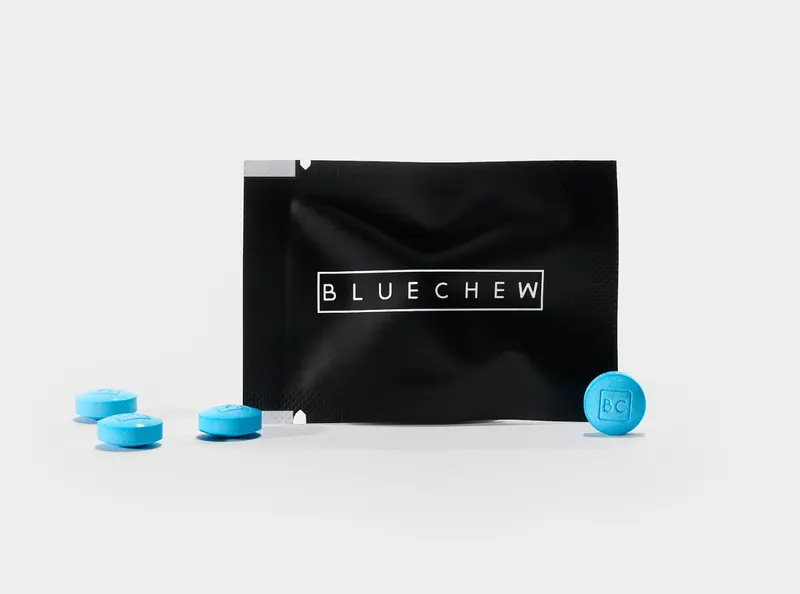
BlueChew offers access to prescription compounded medications for ED and sexual performance enhancement after an online provider review. BlueChew’s products are compounded medications, not generics, and compounded medications are not FDA-approved.
BlueChew provides prescription compounded medications containing the active ingredients sildenafil, vardenafil, and tadalafil. Sildenafil, vardenafil, and tadalafil are the active ingredients in Viagra, Levitra, and Cialis, respectively.
Where GOLD Fits In
BlueChew GOLD is a sublingual tablet containing sildenafil, tadalafil, oxytocin, and apomorphine. A licensed provider can determine whether GOLD or MAX is appropriate based on your health history and needs.
If porn use, anxiety, or relationship pressure is part of the issue, medication alone may not address the full picture. Behavioral changes, stress management, communication, therapy, and medical guidance may also help.
BlueChew’s Complete Product Lineup Includes:
DailyTAD comes in a chewable tablet. SIL, VAR, TAD, MAX, VMAX, and GOLD are available as a sublingual tablet.
- SIL: 45 mg sildenafil, from $3.53/tablet, works in 15 minutes, lasting up to 6 hours
- TAD: 9 mg tadalafil, from $4.47/tablet, effective within 15 minutes, lasting up to 36 hours
- VAR: 8 mg vardenafil, from $4.34/tablet, takes effect in 15 minutes, lasting up to 6 hours
- DailyTAD: 9 mg tadalafil plus 7 essential vitamins, $2.23/tablet, lasting up to 36 hours
- MAX: 45 mg sildenafil + 18 mg tadalafil combo, $5.63/tablet, lasting up to 36 hours
- VMAX: 14 mg vardenafil + 18 mg tadalafil combo, $5.63/tablet, lasting up to 36 hours
- GOLD: sildenafil, tadalafil, oxytocin, and apomorphine sublingual tablet, from $7.30/tablet, lasting up to 36 hours
You can learn more about understanding BlueChew, what BlueChew GOLD is, and how to create and manage your account.
Frequently Asked Questions
Is recovery always possible in 90 days?
Not always. Some men notice improvement within a few weeks or months, while others need more time or support. A 90-day timeline can be a useful goal, but it should not be treated as a guarantee or a medical rule.
What should I do if libido drops after quitting porn?
Some people report temporary libido changes after reducing porn use. Focus on sleep, stress management, exercise, and low-pressure intimacy. If low libido continues, worsens, or comes with mood changes or ED across most situations, talk to a healthcare provider.
Can BlueChew help during a porn break?
BlueChew may help some men with ED symptoms by offering prescription compounded medications that support erectile response when prescribed by a licensed provider. It does not treat porn habits or reset arousal patterns directly, so behavioral changes and support may also be important.
Do I need to avoid all sexual content?
That depends on your pattern. Some men benefit from avoiding all sexual content temporarily because it removes triggers. Others focus on avoiding the content most tied to compulsive use. If you are unsure, track what leads to urges or ED symptoms and adjust from there.
When should I stop self-managing and talk to a provider?
Talk to a provider if ED continues, worsens, happens across most situations, or comes with pain, urinary symptoms, low libido, medication changes, or absent morning erections. It is also worth seeking help if porn use feels compulsive or affects your relationship.
This article is provided for informational purposes only and does not constitute medical advice. The information presented is not a substitute for professional medical advice, diagnosis, or treatment. Always consult your healthcare provider to discuss the risks, benefits, and appropriateness of any treatment.
BlueChew offers access to healthcare providers who may prescribe compounded medications for the treatment of erectile dysfunction.
The featured products include compounded medications that have not been approved by the FDA. Compounded medications may be prescribed under federal law but are not the same as, nor are they generic versions of, any FDA-approved medication. The FDA does not review compounded medications for safety, effectiveness, or manufacturing quality of compounded products. A prescription will only be written if deemed appropriate after the digital consultation by the licensed medical provider. Individual results may vary.
BlueChew is not a compounding pharmacy but a telemedicine service that links patients to licensed medical providers.