How to Switch Antidepressants Without Losing Your Sex Life

Antidepressants can improve mood, reduce anxiety, and make daily life more manageable. They can also affect sexual desire, physical arousal, erections, genital sensation, ejaculation, and orgasm. When that happens, a person may feel forced to choose between mental stability and a satisfying sex life.
That choice is not always necessary. Sexual side effects are legitimate treatment concerns, and several management options may be available. The right approach depends on the medication, diagnosis, symptom stability, health history, and specific sexual changes involved. Antidepressants should never be stopped, reduced, or switched without guidance from the prescribing clinician.
Key Takeaways
- Antidepressant-related sexual dysfunction may affect desire, arousal, erections, sensation, ejaculation, or orgasm
- Depression and anxiety can also impair sexual function, so medication may not be the only contributor
- A clinician may consider dose adjustment, switching medications, adding another treatment, or addressing a specific sexual symptom
- Different antidepressants have different sexual side-effect profiles, but no option is free of risk or appropriate for everyone
- Prescription ED medication may help eligible men with antidepressant-associated erection difficulties, but it does not treat reduced desire or every type of sexual dysfunction

How Common Are Sexual Side Effects From Antidepressants?
Reported rates vary widely because studies use different medications, populations, definitions, and methods of asking about sexual function. Patients may also hesitate to report intimate symptoms unless clinicians ask directly.
A prospective multicenter study of antidepressant-related sexual dysfunction followed 1,022 outpatients who had previously reported normal sexual function. The researchers found substantial differences among medications, with higher rates reported among patients taking several serotonergic antidepressants than among those taking certain medications with different mechanisms.
Sexual symptoms may include:
- Reduced sexual interest or desire
- Difficulty becoming physically aroused
- Erectile difficulties
- Reduced genital sensation
- Delayed ejaculation
- Difficulty reaching orgasm
- Less intense orgasm
- A mismatch between mental interest and physical response
These symptoms may begin shortly after treatment starts, follow a dose increase, or become more noticeable over time. Their duration and severity vary considerably among individuals.
Is the Antidepressant Definitely the Cause?
Not always. Depression itself can reduce sexual desire, energy, pleasure, confidence, and interest in intimacy. Anxiety, relationship concerns, hormonal conditions, vascular health, medications, alcohol use, sleep problems, and other factors may also contribute.
A published review of sexual dysfunction in major depressive disorder explains that sexual symptoms can be part of depression and may also emerge or worsen during antidepressant treatment. This overlap can make it difficult to identify the cause without reviewing the timing and nature of the symptoms.
Before recommending a medication change, a prescriber may ask:
- Did the sexual difficulty exist before treatment?
- Did it begin after starting the antidepressant?
- Did it worsen after a dose increase?
- Has the depression or anxiety fully improved?
- Is the problem primarily desire, arousal, erection, ejaculation, or orgasm?
- Are other prescriptions, substances, or health conditions involved?
- Does the difficulty occur during masturbation, partnered sex, or both?
- How much is the problem affecting treatment adherence, quality of life, or the relationship?
Clear answers help the clinician distinguish a likely medication effect from symptoms that may require another type of evaluation.

Do Not Stop or Switch Antidepressants on Your Own
Abruptly stopping an antidepressant can cause discontinuation symptoms and may increase the risk of relapse or worsening mental health. Depending on the medication, symptoms may include dizziness, nausea, sleep disturbance, irritability, anxiety, sensory disturbances, flu-like symptoms, or mood changes.
A systematic review and meta-analysis of antidepressant discontinuation symptoms found that symptoms occur in a meaningful proportion of patients, although their likelihood and severity vary by medication, treatment duration, study design, and individual factors.
Switching also carries interaction risks. A review of switching and stopping antidepressants explains that some transitions require tapering, washout periods, or carefully supervised cross-tapering. Inappropriate overlap may cause drug toxicity, including serotonin syndrome, while prolonged treatment gaps may increase the risk of illness recurrence.
Do not independently:
- Skip doses before sex
- Take informal “drug holidays”
- Reduce the dose
- Begin another antidepressant
- Combine leftover medications
- Use someone else’s prescription
- Restart a discontinued medication at the previous dose
The safest transition depends on the two medications involved, their half-lives, interaction profiles, current doses, and the condition being treated.
How to Prepare for a Prescriber Appointment
A productive appointment begins with specific information rather than a general statement that the medication is affecting sex.
Consider tracking:
- The medication name and current dose
- When treatment began
- When the sexual symptoms began
- Any relationship between symptoms and dose changes
- Which part of sexual function has changed
- Whether symptoms are consistent or situational
- Whether spontaneous or morning erections have changed
- Whether the medication is controlling the mental health condition
- Other prescriptions, supplements, alcohol, or substances being used
- How strongly the sexual symptoms affect wellbeing or adherence
Sexual health is part of overall health. A prescriber needs this information to evaluate whether the current treatment remains the best fit.

Options a Prescriber May Consider
There is no single strategy that works for every patient. The clinician must balance sexual side effects against the risk of destabilizing a treatment that is controlling depression, anxiety, or another condition.
1. Continue Monitoring
When a medication has only recently been started and the sexual symptoms are tolerable, a clinician may recommend monitoring before making a change.
This approach is not appropriate when symptoms are severe, treatment adherence is at risk, or the person is considering stopping medication independently. There is also no guarantee that the symptoms will resolve with time.
2. Adjust the Dose
Some sexual side effects may be dose-related. A prescriber may consider whether a lower dose could maintain adequate mental health control while reducing adverse effects.
Dose reduction is not simply a matter of cutting a tablet or taking the medication less frequently. The clinician must consider:
- Whether symptoms are stable enough to reduce the dose
- The risk of depression or anxiety returning
- The medication’s available formulations
- The need for gradual dose changes
- How the patient will be monitored
The lowest effective dose may be a reasonable treatment goal, but it must still adequately manage the underlying condition.
3. Switch to Another Antidepressant
Antidepressants differ in how frequently they are associated with sexual side effects. Depending on the diagnosis and individual risk factors, a prescriber may discuss medications such as bupropion, mirtazapine, or vortioxetine, which may have different sexual side-effect profiles than conventional SSRIs for some patients.
This does not mean that any of these medications will automatically restore sexual function or be suitable for everyone.
A randomized study comparing a switch to vortioxetine or escitalopram enrolled adults with well-treated major depressive disorder who were experiencing sexual dysfunction during SSRI treatment. Sexual-function scores improved more after switching to vortioxetine, while both groups maintained antidepressant efficacy. The findings apply to the study population and do not establish vortioxetine as the correct choice for every patient.
Bupropion is also associated with fewer sexual adverse effects in some comparative research, but it may be unsuitable for certain people, including those with particular seizure risks or eating disorders. It may also affect anxiety, sleep, or other symptoms differently.
Medication selection must account for the full diagnosis rather than sexual side effects alone.
4. Add a Treatment Instead of Switching
When an antidepressant is working well, a clinician may consider adding another treatment rather than replacing it.
The appropriate strategy depends on the symptom. Reduced desire, delayed orgasm, and erectile difficulty are not interchangeable conditions and may respond differently.
Possible clinician-led approaches may include:
- Adding another psychiatric medication
- Treating erectile dysfunction directly
- Addressing hormonal or medical contributors
- Recommending psychotherapy or sex therapy
- Reviewing other medications that may worsen sexual function
Evidence for many augmentation strategies remains limited or mixed. An additional medication also introduces new interaction and side-effect considerations.
What a Safe Antidepressant Switch May Involve
The prescriber may use one of several transition methods:
- Gradually tapering the current medication before beginning the new one
- Tapering the first medication while cautiously introducing the second
- Stopping one medication and beginning another under a specific clinical protocol
- Using a washout period between medications
The method depends on the medications involved. Some drugs remain in the body longer than others, and some combinations should not overlap.
During the transition, the clinician may monitor:
- Depression or anxiety symptoms
- Sleep
- Irritability or agitation
- Discontinuation symptoms
- Medication side effects
- Suicidal thoughts
- Signs of excessive serotonergic activity
- Sexual desire and function
- Ability to work and manage daily responsibilities
There is no universal two-week, four-week, or eight-week switching timeline. Improvement in sexual function and stabilization of mental health may occur on different schedules.
Communicating With a Partner During the Transition
Medication-related sexual changes can be misinterpreted as reduced attraction, dissatisfaction, or relationship withdrawal. Clear communication may prevent those assumptions.
Consider saying:
- “My medication appears to be affecting my sexual response, but it is not about my attraction to you”
- “I am working with my prescriber rather than changing the medication on my own”
- “My desire, arousal, erection, and orgasm may not all recover at the same pace”
- “I would like us to focus on what feels good without treating each encounter as a test”
- “I may need patience while my treatment changes”
Intimacy can continue without requiring a particular physical outcome. Depending on mutual preferences, couples may focus on:
- Kissing and affectionate touch
- Massage
- Manual or oral stimulation
- Lubricants or other comfort measures
- Activities that do not require penetration
- Emotional closeness without pressure for sex
The goal is not to pretend the sexual problem does not matter. It is to avoid making every encounter a test of whether the medication change has worked.
When Therapy May Help
Medication changes address pharmacological contributors, but sexual difficulties may also involve anxiety, shame, relationship tension, body-image concerns, previous negative experiences, or fear that the problem will continue.
Individual therapy, sex therapy, or couples counseling may help with:
- Performance anxiety
- Avoidance of intimacy
- Communication difficulties
- Reduced confidence
- Relationship strain
- Adjusting expectations during treatment
- Distinguishing medication effects from anxiety-related patterns
Therapy does not replace medical management of antidepressants. It can complement it when psychological or relationship factors are also present.
When to Contact the Prescriber Urgently
Contact the treating clinician promptly if a medication change is followed by:
- Significant worsening of depression or anxiety
- Severe agitation or unusual behavioral changes
- Symptoms suggestive of mania
- Intense or disabling discontinuation symptoms
- Symptoms suggestive of serotonin toxicity
- Inability to sleep for an extended period
- Thoughts of self-harm or suicide
Seek emergency care when there is an immediate risk of harm. Sexual side effects matter, but the transition must protect mental health and physical safety.

Can BlueChew Help With Antidepressant-Related Erectile Difficulties?
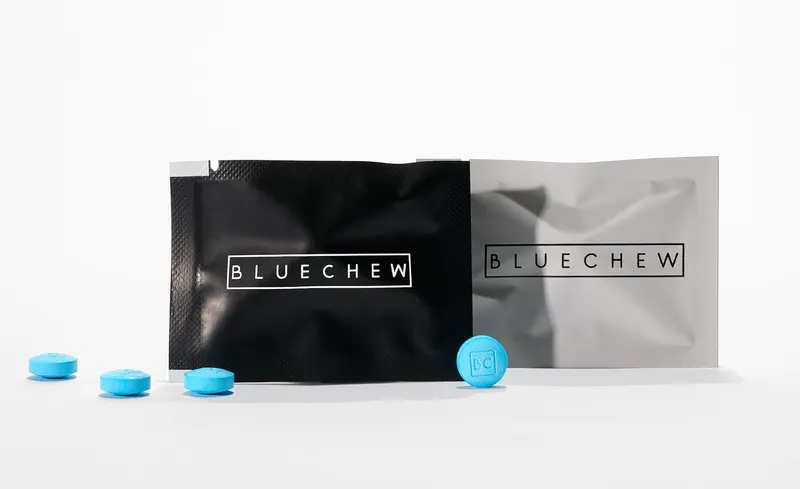
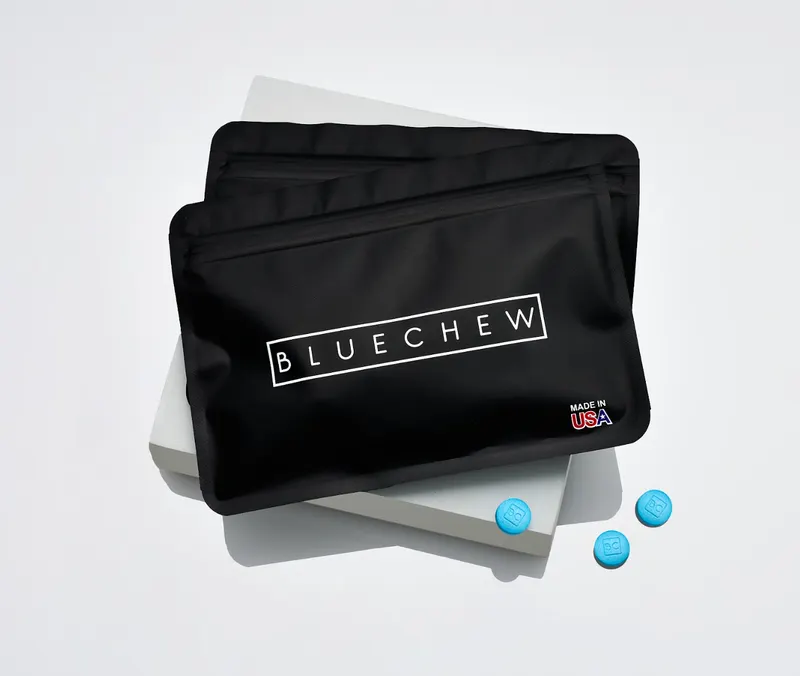
BlueChew is a telemedicine service that connects patients with licensed medical providers who may prescribe compounded ED medications when medically appropriate.
BlueChew does not manage antidepressant switching. A patient should continue working with the clinician responsible for the antidepressant and tell the BlueChew provider about every prescription, over-the-counter medication, supplement, and health condition.
BlueChew treatment may be relevant when the primary sexual symptom is erectile difficulty. It should not be presented as a treatment for depression, anxiety, reduced libido, genital numbness, or delayed orgasm.
DailyTAD comes in a chewable tablet. SIL, TAD, VAR, MAX, VMAX, and GOLD are available as a sublingual tablet.
BlueChew’s complete product lineup includes:
- SIL: 45 mg sildenafil, from $3.53/tablet, works in 15 minutes, lasting up to 6 hours
- TAD: 9 mg tadalafil, from $4.47/tablet, effective within 15 minutes, lasting up to 36 hours
- VAR: 8 mg vardenafil, from $4.34/tablet, takes effect in 15 minutes, lasting up to 6 hours
- DailyTAD: 9 mg tadalafil plus 7 essential vitamins, $2.23/tablet, lasting up to 36 hours
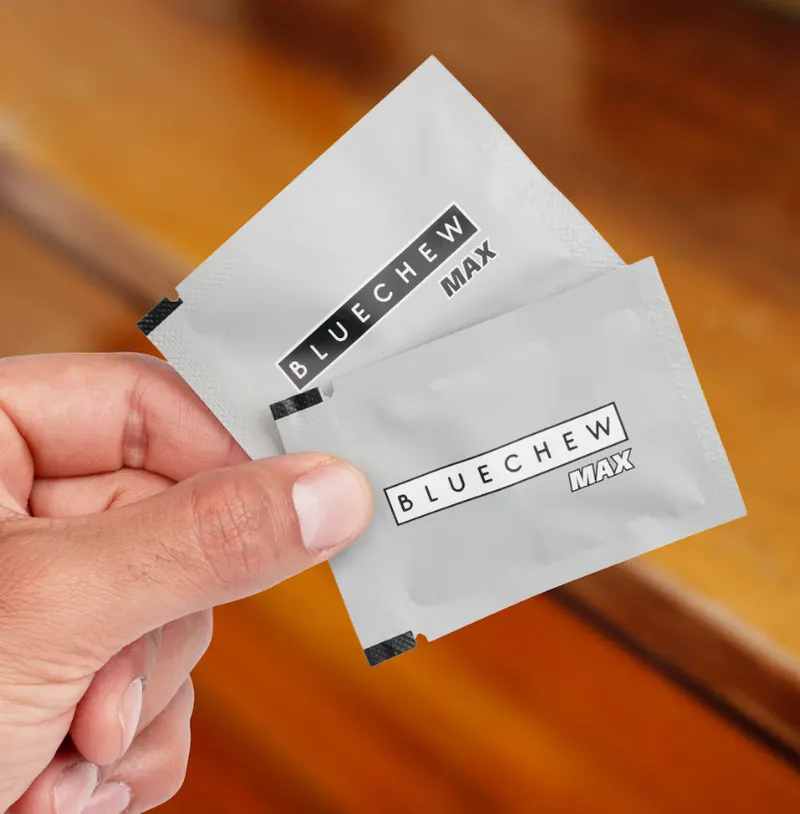
- MAX: 45 mg sildenafil + 18 mg tadalafil combo, $5.63/tablet, lasting up to 36 hours
- VMAX: 14 mg vardenafil + 18 mg tadalafil combo, $5.63/tablet, lasting up to 36 hours
- GOLD: sildenafil, tadalafil, oxytocin, and apomorphine sublingual tablet, from $7.30/tablet, lasting up to 36 hours
A licensed provider should determine whether any BlueChew product is appropriate. GOLD or another specific formula should not be presented as the preferred option solely because an antidepressant may be affecting sexual function.
Patients should review BlueChew’s important safety information. BlueChew products should not be used with nitrates or guanylate cyclase stimulators because the combination may cause an unsafe drop in blood pressure.
How To Get Medication Through BlueChew
Interested in getting your hands on a prescription for BlueChew GOLD? BlueChew has got you covered.
Select a plan, complete an online intake, and you’re done. A medical provider will review your information and, if appropriate, prescribe your plan, which will be shipped directly to your door.
No doctor appointments or patient support charges make it a stress-free experience.
Plus, there’s no commitment. You can easily cancel or switch plans anytime. Click here to explore all treatment plan options at BlueChew.
Frequently Asked Questions
Can someone stop an antidepressant because of sexual side effects?
An antidepressant should not be stopped without guidance from the prescribing clinician. Abrupt discontinuation may cause withdrawal symptoms and can allow depression, anxiety, or another treated condition to return. Sexual side effects are a valid reason to request a treatment review, but the change should follow an individualized medical plan.
How can someone tell whether the medication or depression is affecting sex?
The timing of the symptoms can provide useful clues. A sexual change that begins after starting a medication or increasing the dose may suggest a treatment-related effect. However, depression, anxiety, relationship concerns, physical health, and other medications may also contribute. A clinician should review the entire pattern rather than rely on one symptom.
Which antidepressants have fewer sexual side effects?
Some studies report lower rates with medications such as bupropion, mirtazapine, and vortioxetine than with certain serotonergic antidepressants. That does not mean these medications have no sexual effects or are suitable for everyone. The correct choice depends on the diagnosis, previous treatment response, safety profile, and other health factors.
Will switching to bupropion definitely restore sexual function?
No. Bupropion may have a lower sexual side-effect burden for some patients, but improvement is not guaranteed. It also carries its own contraindications and possible adverse effects. A prescriber must determine whether it is appropriate for the condition being treated.
Can ED medication help without changing the antidepressant?
It may help eligible men whose main symptom is difficulty getting or maintaining an erection. Clinical research has found benefits from oral sildenafil in some men with antidepressant-associated sexual dysfunction. ED medication may not correct reduced libido, genital numbness, or delayed orgasm, and it must be reviewed for contraindications and interactions.
Can BlueChew GOLD treat SSRI-related sexual dysfunction?
BlueChew GOLD is a compounded ED product, not an approved treatment specifically for SSRI-induced sexual dysfunction. It should not be described as uniquely suited to antidepressant side effects or as a treatment for every part of sexual response. A licensed provider can determine whether an ED medication is appropriate for a patient experiencing erection difficulties.
This article is provided for informational purposes only and does not constitute medical advice. The information presented is not a substitute for professional medical advice, diagnosis, or treatment. Always consult your healthcare provider to discuss the risks, benefits, and appropriateness of any treatment.
BlueChew offers access to healthcare providers who may prescribe compounded medications for the treatment of erectile dysfunction.
The featured products include compounded medications that have not been approved by the FDA. Compounded medications may be prescribed under federal law but are not the same as, nor are they generic versions of, any FDA-approved medication. The FDA does not review compounded medications for safety, effectiveness, or manufacturing quality of compounded products. A prescription will only be written if deemed appropriate after the digital consultation by the licensed medical provider. Individual results may vary.
BlueChew is not a compounding pharmacy but a telemedicine service that links patients to licensed medical providers.
Other Helpful Articles