How to Recover Sexually After a Depressive Episode

Depression can affect many parts of daily life, including sexual desire, confidence, and erectile function. If you have noticed lower libido, difficulty with erections, or a sense of disconnection from intimacy after a depressive episode, you are not alone. A medical review notes that sexual dysfunction can be a symptom of depression and may include decreased libido, arousal difficulties, erectile dysfunction, and delayed or absent orgasm.
Sexual recovery does not always happen at the same pace as mood recovery. You may feel more stable emotionally before your sex drive or confidence fully returns. If ED is part of the concern, BlueChew offers prescription ED treatments through an online process with licensed provider review when appropriate.
Key Takeaways
- Depression may affect libido, arousal, erection quality, energy, confidence, and emotional connection.
- Sexual recovery after depression can take time and may involve both mental and physical health support.
- Antidepressants may contribute to sexual side effects for some people, but medication changes should only be made with a healthcare provider.
- Lifestyle habits, communication, therapy, and medical care may all support recovery.
- If ED is part of the issue, prescription ED treatment may help support the physical side of sexual function when appropriate.
Understanding Sexual Recovery After Depression
Depression can make it harder to feel pleasure, desire, and emotional closeness. Even after your mood starts improving, sexual interest may return slowly.
Sexual recovery may involve rebuilding:
- Energy
- Confidence
- Desire
- Erection reliability
- Emotional connection
- Comfort with touch
- Communication with your partner
- Trust in your body’s response
This process can feel frustrating, but slower sexual recovery does not mean something is wrong with you. It may simply mean your mind and body are still adjusting.
How Depression Can Affect Sex Drive and Erections
Depression can influence sexual function through several overlapping pathways. It may affect motivation, reward, sleep, stress, and self-image.
Common depression-related sexual concerns include:
- Lower libido
- Reduced pleasure
- Fatigue during intimacy
- Difficulty becoming aroused
- Trouble getting or maintaining an erection
- Delayed orgasm
- Avoidance of intimacy
- Feeling emotionally disconnected
These symptoms may happen because of depression itself, medication side effects, relationship stress, physical health factors, or a combination of these.
Why Sex May Still Feel Different After Mood Improves
Mood recovery and sexual recovery do not always happen together. Some men feel more functional in daily life before they feel sexually confident again.
Sex may still feel different because of:
- Lingering fatigue
- Medication side effects
- Fear of ED happening again
- Relationship tension from the depressive episode
- Lower body confidence
- Reduced emotional closeness
- Stress around “getting back to normal”
Instead of expecting sex to immediately feel the way it did before depression, it may help to treat intimacy as something you rebuild gradually.
Antidepressants and Sexual Side Effects
Some antidepressants may contribute to sexual side effects. These can include lower desire, erection difficulties, delayed orgasm, ejaculation changes, or reduced sexual satisfaction.
A review in The Medical Journal of Australia notes that management of antidepressant-induced sexual dysfunction should be individualized and may include considering other causes, dose adjustment, switching medication, or adding treatment for side effects.
Do not stop antidepressants suddenly. If you think medication is affecting your sex life, talk with your prescribing provider about safe options.
What to Discuss With Your Healthcare Provider
A provider can help determine whether your symptoms are related to depression, medication, ED, physical health, or another factor. Bring specific details so the conversation is easier.
Helpful information to share includes:
- When your sexual symptoms started
- Whether symptoms began before or after medication
- Whether your mood has improved
- Whether you still have morning erections
- Whether ED happens every time or only sometimes
- Current medications and supplements
- Alcohol, nicotine, or substance use
- Relationship stress or performance anxiety
Your provider may review your medications, screen for physical contributors, or discuss ED treatment if appropriate.
Rebuilding Intimacy and Connection
Sexual recovery is not only about physical function. Depression can create emotional distance, even in supportive relationships.
Ways to rebuild connection include:
- Talking outside the bedroom
- Spending focused time together
- Reintroducing affectionate touch
- Avoiding pressure to perform
- Being honest about what feels difficult
- Letting intimacy build gradually
You might tell your partner:
“I’m feeling better emotionally, but my sex drive and confidence are still catching up. It’s not about my attraction to you. I want us to rebuild closeness without putting pressure on every intimate moment.”
This can reduce misunderstanding and help both partners feel less alone.
Redefining Intimacy During Recovery
Intercourse does not have to be the only measure of sexual recovery. When depression has affected desire or confidence, lower-pressure intimacy can help rebuild comfort.
Low-pressure options include:
- Cuddling
- Kissing
- Massage
- Holding hands
- Showering together
- Touch without an expectation of sex
- Spending time in bed without performance pressure
These moments can help your body and mind reconnect with pleasure and closeness. They may also reduce the anxiety that can build around sex after a difficult period.
Lifestyle Habits That May Support Sexual Recovery
Lifestyle changes are not guaranteed cures, but they may support mood, energy, circulation, and sexual confidence. Start with small changes that feel realistic.
Supportive habits may include:
- Regular physical activity
- Consistent sleep
- Limiting alcohol
- Avoiding nicotine
- Managing stress
- Eating more whole foods
- Staying connected socially
- Following your depression treatment plan
Depression can make major changes feel overwhelming. Small, repeatable habits are often more useful than trying to overhaul everything at once.
Exercise, Sleep, and Stress Management
Physical activity may support sexual recovery by improving energy, mood, circulation, and body confidence. It does not need to be intense to be useful.
Possible starting points include:
- Walking
- Light jogging
- Resistance training
- Cycling
- Stretching
- Short home workouts
Sleep also matters. Poor sleep can affect energy, mood, motivation, and sexual interest.
Stress management can help your body feel safer and more present during intimacy. Breathing exercises, mindfulness, therapy, journaling, and reducing daily overload may all be useful.

Can Sex Help With Depression and Anxiety?
Sex and intimacy may support emotional connection, but they should not be treated as a replacement for depression treatment. For some people, closeness with a partner may help reduce loneliness, stress, or emotional distance.
Potential benefits of intimacy may include:
- Feeling wanted
- Feeling emotionally connected
- Rebuilding confidence
- Reducing relationship distance
- Creating moments of pleasure
- Improving communication
However, sex can also feel stressful if depression, ED, low libido, or performance pressure is present. The goal is to rebuild intimacy in a way that feels mutual, safe, and low-pressure.
When ED Is Part of the Recovery Process
Low libido and ED are different, but they can overlap. Low libido means reduced interest in sex, while ED means difficulty getting or maintaining an erection firm enough for sexual activity.
If ED is part of your sexual recovery, it may help to identify patterns such as:
- ED happens more with a partner than alone
- Morning erections are still present
- ED started after a stressful experience
- ED began after starting or changing medication
- ED is creating performance anxiety
- ED happens across most situations
A healthcare provider can help evaluate whether ED treatment, mental health support, medication review, or physical health screening may be appropriate.
PDE5 Inhibitors for Erectile Function
PDE5 inhibitors are commonly prescribed for erectile dysfunction. These medications support the blood flow process involved in erections during sexual stimulation.
Common PDE5 inhibitor options include:
- Sildenafil: Often used before sexual activity and commonly associated with a shorter active window.
- Tadalafil: Known for a longer active window, which may allow for more flexibility.
- Vardenafil: Often used before sexual activity and has a similar use case to sildenafil.
These medications do not automatically create desire, and they do not treat depression directly. Your provider should review your cardiovascular history, medication list, and contraindications before prescribing ED treatment.
Addressing Performance Anxiety
After a depressive episode, sex may feel more pressured than it used to. If ED has happened before, you may worry it will happen again.
Performance anxiety may show up as:
- Worrying before sex begins
- Monitoring your erection
- Feeling disconnected from pleasure
- Avoiding intimacy
- Feeling ashamed after ED happens
- Assuming one difficult experience means future failure
ED treatment may help support the physical side when appropriate. Therapy, partner communication, and low-pressure intimacy may also help reduce the anxiety around sexual performance.
When to Seek Professional Help
Consider speaking with a healthcare provider if sexual symptoms are persistent, distressing, or affecting your relationship. You should also seek support if symptoms began after starting or changing medication.
Professional support may be especially useful if you have:
- Ongoing low libido
- Persistent ED
- Delayed or absent orgasm
- Pain or physical symptoms
- Worsening depression
- Relationship conflict
- Fear or avoidance around intimacy
- Concerns about medication side effects
If you are having thoughts of self-harm or feel like you may be in danger, seek emergency help right away or contact a crisis support line in your area.
Exploring Convenient ED Treatment Options
Some men prefer telehealth for ED because it can feel more private and convenient. It may be useful when ED is the main concern and a licensed provider can safely review your medical history.
Telehealth may be a good fit if:
- Your symptoms are not sudden or severe
- You can share your medications and health history accurately
- You are getting separate support for depression or anxiety when needed
An in-person evaluation may be better if ED appears suddenly, worsens quickly, comes with other symptoms, or is linked with unmanaged depression. If you use telehealth, be honest about your medications, health conditions, cardiovascular history, and mental health symptoms so the provider can decide whether ED treatment is appropriate.
How BlueChew May Support ED-Related Recovery
BlueChew offers prescription ED treatments through an online process, with provider review and discreet delivery when prescribed. This may be helpful for men who want a convenient way to explore ED treatment after a depressive episode.
BlueChew treatments are designed for erectile dysfunction and sexual performance enhancement. Depending on the plan, formulations may include sildenafil, tadalafil, vardenafil, or multi-ingredient options.
BlueChew may be relevant if:
- ED is part of your sexual concerns
- You want to explore prescription ED treatment
- A licensed provider determines treatment is appropriate
- You continue addressing depression, anxiety, or relationship stress when needed
ED treatment does not replace depression care. It may support the physical side of sexual function while other parts of recovery are addressed separately.
BlueChew Product Options
BlueChew offers several product options for ED and sexual performance support.
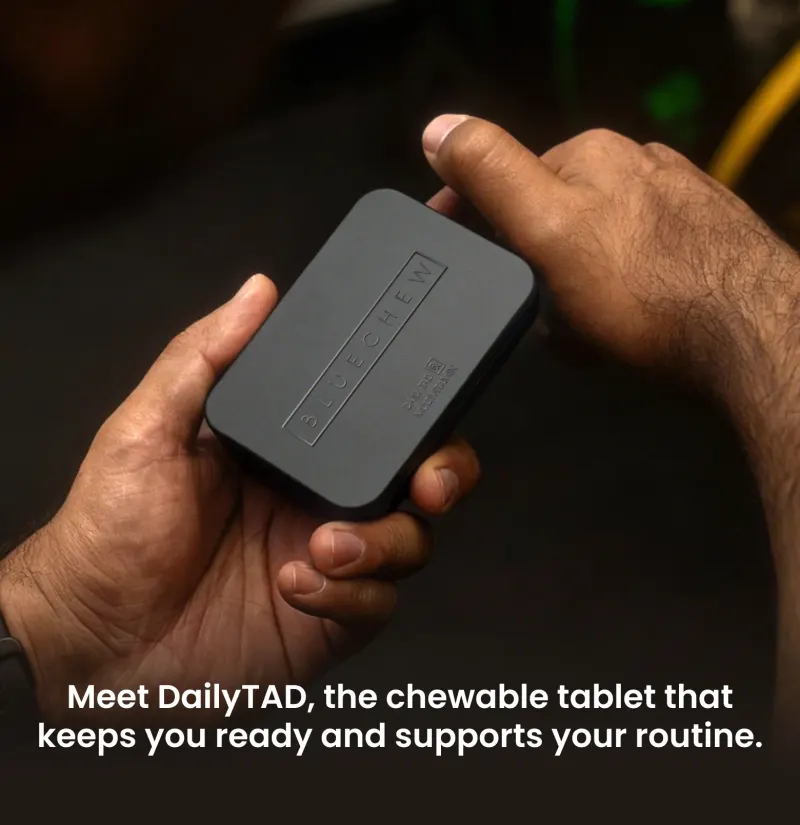
DailyTAD comes in a chewable tablet. SIL, VAR, TAD, MAX, VMAX, and GOLD are available as a sublingual tablet.
- SIL: 45 mg sildenafil, from $3.53/tablet, works in 15 minutes, lasting up to 6 hours
- TAD: 9 mg tadalafil, from $4.47/tablet, effective within 15 minutes, lasting up to 36 hours
- VAR: 8 mg vardenafil, from $4.34/tablet, takes effect in 15 minutes, lasting up to 6 hours
- DailyTAD: 9 mg tadalafil plus 7 essential vitamins, $2.23/tablet, lasting up to 36 hours
- MAX: 45 mg sildenafil + 18 mg tadalafil combo, $5.63/tablet, lasting up to 36 hours
- VMAX: 14 mg vardenafil + 18 mg tadalafil combo, $5.63/tablet, lasting up to 36 hours
- GOLD: sildenafil, tadalafil, oxytocin, and apomorphine sublingual tablet, from $7.30/tablet, lasting up to 36 hours
To learn more about BlueChew’s process, visit this guide on how BlueChew works.

Frequently Asked Questions
What is the most common sexual side effect of depression?
Low sexual desire is one of the most commonly discussed sexual concerns linked with depression. Some men may also experience erectile difficulties, delayed orgasm, reduced pleasure, or lower sexual satisfaction. These symptoms can come from depression itself, medication side effects, stress, physical health, or relationship strain. If symptoms persist, a healthcare provider can help identify likely contributors.
Can antidepressants permanently affect my ability to have sex?
For many people, antidepressant-related sexual side effects are manageable or improve with provider-guided changes, but experiences vary. Some symptoms may improve over time, while others may continue as long as the medication is used. Do not stop antidepressants suddenly because of sexual side effects. Talk with your prescriber about safe options if sexual function is affecting your quality of life.
How long does it take for sexual function to return after depression?
There is no single timeline for sexual recovery after depression. Some men notice gradual improvement as mood, sleep, energy, and confidence improve, while others need medication review, therapy, ED treatment, or relationship support. Sexual recovery may also happen in stages rather than all at once. If symptoms are persistent or distressing, it is worth discussing them with a healthcare provider.
Is it normal to lose interest in sex after a depressive episode?
Yes, reduced interest in sex can happen during or after depression. Depression may affect energy, motivation, pleasure, confidence, and emotional closeness, all of which can influence libido. This does not mean your sex drive is gone permanently. If low desire continues or causes distress, medical or mental health support may help.
How can I tell if my sexual issues are from depression or something else?
Look at timing and patterns. If sexual changes began during depression, after a medication change, or during a period of stress, those may be important clues. If ED happens consistently across situations or comes with other physical symptoms, a medical evaluation may be especially important. A healthcare provider can help review mood, medications, physical health, and relationship factors to determine the next steps.
This article is provided for informational purposes only and does not constitute medical advice. The information presented is not a substitute for professional medical advice, diagnosis, or treatment. Always consult your healthcare provider to discuss the risks, benefits, and appropriateness of any treatment.
BlueChew offers access to healthcare providers who may prescribe compounded medications for the treatment of erectile dysfunction.
The featured products include compounded medications that have not been approved by the FDA. Compounded medications may be prescribed under federal law but are not the same as, nor are they generic versions of, any FDA-approved medication. The FDA does not review compounded medications for safety, effectiveness, or manufacturing quality of compounded products. A prescription will only be written if deemed appropriate after the digital consultation by the licensed medical provider. Individual results may vary.
BlueChew is not a compounding pharmacy but a telemedicine service that links patients to licensed medical providers.
Other Helpful Articles